Don’t let your mind bully your body.
Thus goes an anonymous quote. While these words do strike a strong resonance in today’s age and time, is the path to protecting your body from your bullying mind really that straightforward? We have to agree that it’s not the same for us all.
The blatant presentation of photo-shopped and edited pictures of celebrities and influencers on social media platforms certainly doesn’t make things easier.
Since we are increasingly inclined to spend more and more time on social media, examining what kind of content plays on our screens all day is inevitable. It’s because that’s what’s most likely to pop up in our minds when we’re off-screen.
While we’re on the subject of the strong influence of social media on people, we cannot overlook the significant rise in the cases of body dissatisfaction – especially in teenagers – that stems from this unhealthy influence.
Today, we aim to take a deeper look at how social media contributes to body image issues and figure out how we can make these platforms a better, more supportive space.
The unrealistic trap of perfection on social media
Scrolling through countless posts of influencers looking picture-perfect in often digitally altered or improved photos on social media can potentially lead to a tendency of body comparison in people.
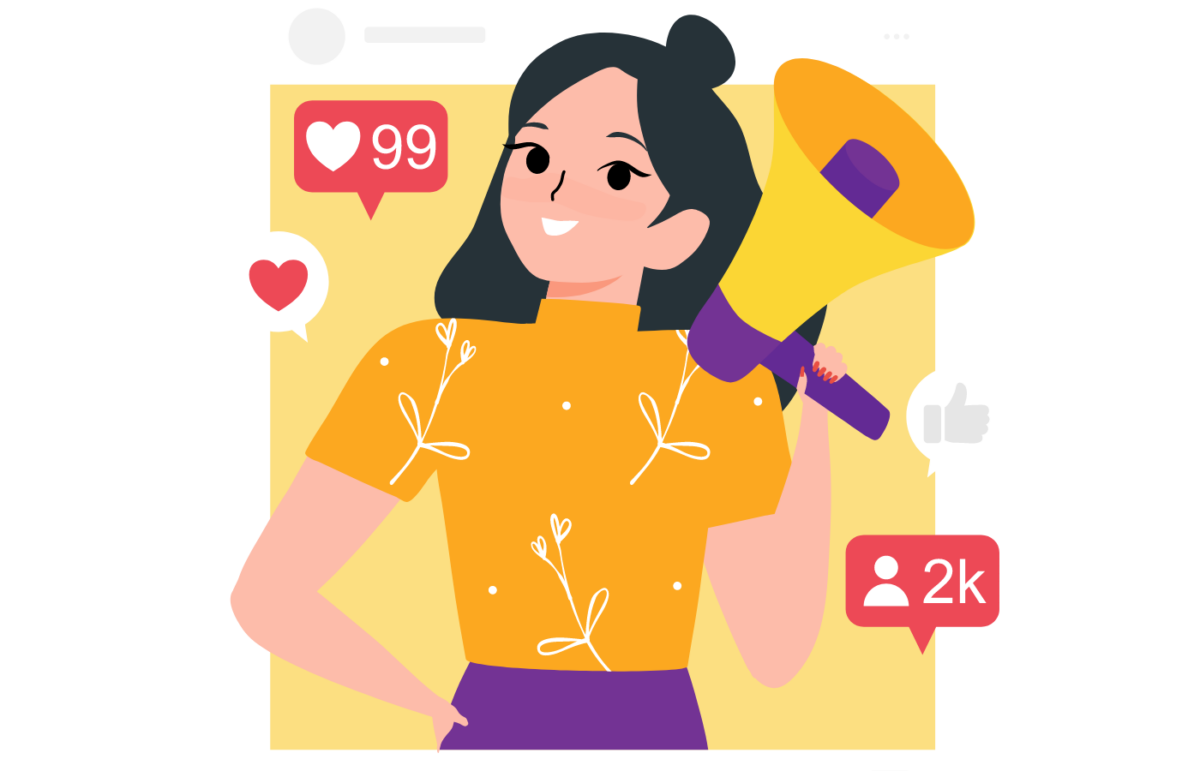
And since your body can’t match the idealistic standards of beauty, all you’re left with at the end of the day is dissatisfaction.
But is it just any random post on social media that can make you feel inadequate in your skin? Recent studies beg to differ.
In this 2014 study conducted on the relationship between the negative comparisons of one’s appearance and Facebook usage, it was found that subjects were inclined to compare their bodies more with their distant peers and acquaintances online, as opposed to family or close friends.
Now, what does this tell you? It shows how we’re more vulnerable to comparing ourselves – including our bodies and lives – with people we don’t know that well.
Because, then, we’re only seeing the seemingly perfect versions of their lives on social media, with no idea what their troubles or demons must look like.
When we know someone closely, we already know them too well to feel intimidated or overwhelmed by their social media feeds. It just goes on to show how we tend to lose sight of perception when comparing our bodies with people we don’t know well enough. Perhaps this knowledge can help us understand how, by approaching the content on social media perceptively and realistically, we can keep its negative effects at bay.
Does social media share some of the blame?
We’ve just learned how we can avoid triggering body image issues if we keep a more realistic approach to the duality of social media and ditch the tendency of comparison.
But that doesn’t mean social media has no role in the unnecessary glorification of flawless skin, slender physique, and other beauty standards. These platforms provide users with countless filters to enhance their appearances, making the concept of altering how one looks seem cool.
To add to that, a large number of content creators constantly publish reels that feature only snippets of the highs of their lives, putting only their best selves on display. Regular exposure to such content will understandably make people find inadequacies in their own lives.

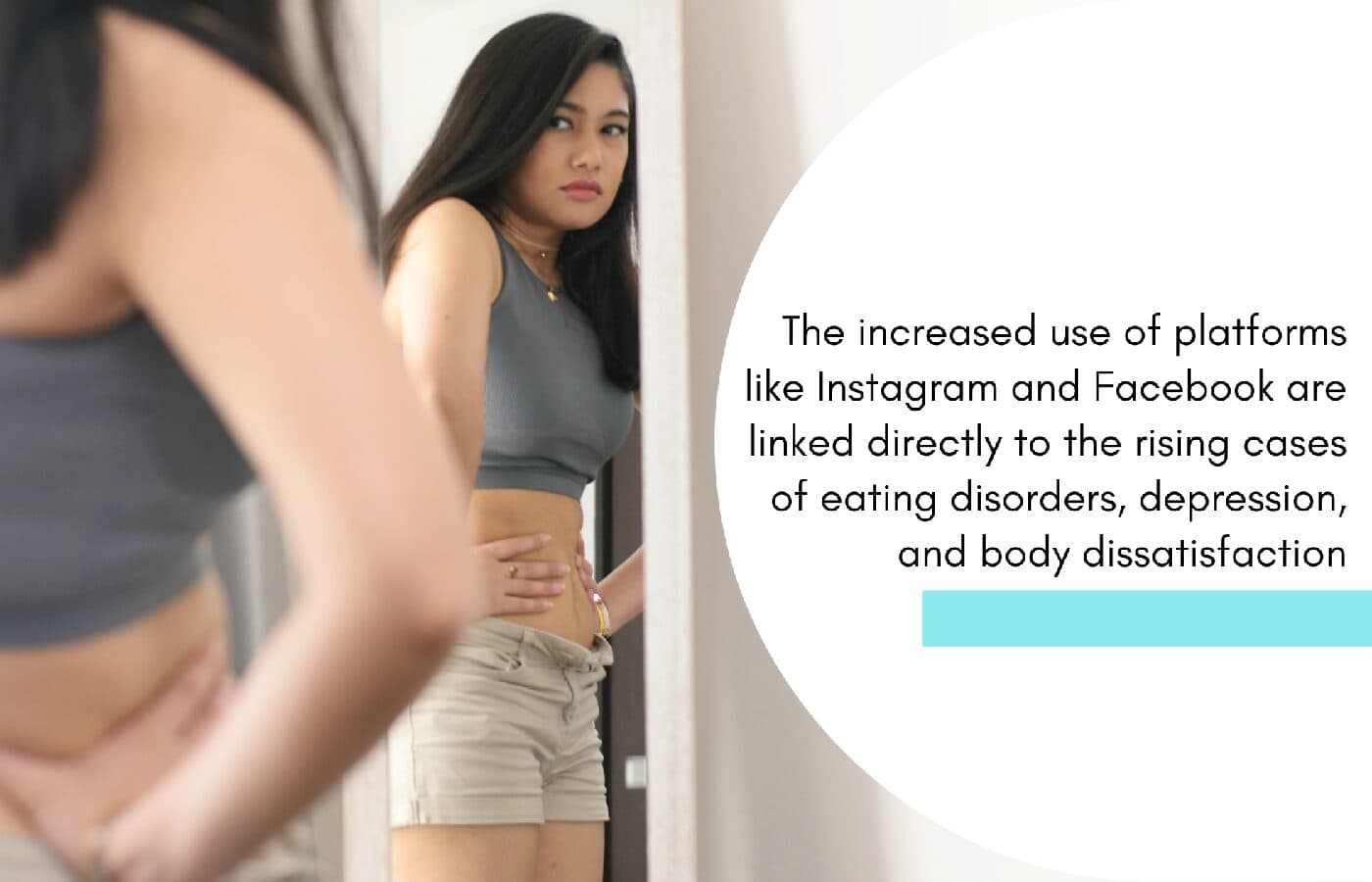
Multiple studies conducted on the effect of social media on the psychological and mental well-being of users – mainly teenagers – reflect that the increased use of platforms like Instagram and Facebook are linked directly to the rising cases of eating disorders (EDs), depression, body dissatisfaction, and social comparison.
It is time social media platforms step ahead and take responsibility for what kind of content gets pushed around to which demographics and work toward promoting authentic, non-triggering content instead.
The hidden perils of body-positivity
If you think that body positivity is the answer to body image issues, you’re yet to reach a solution.
Many influencers – without meaning any harm – reflect on the importance of body positivity on social media platforms. While it doesn’t trigger any body image issues in the audience, it does lead to a sense of self-objectification, wherein people often tend to reduce themselves to how they look.
And it’s not like self-objectification is harmless, either. Studies reflect that it has a profoundly negative impact on one’s cognitive functioning, as being preoccupied with one’s appearance comes in the way of giving their best at other tasks at hand.
Too much focus on appearances can also lead to a decreased sense of ambition or motivation to grow in other spheres of life. That, in turn, leads to social withdrawal and low self-esteem, which are not easy to bounce back from.
So, in our quest to make social media platforms a safer, healthier space for people, we must not stop merely at counteracting body image issues with body positivity but push beyond the barriers of self-objectification altogether.
It’s important to remind ourselves that there’s more to our life than just how we look. Learn to recognize ourselves and others for their qualities and traits: their patience, empathy, knowledge, passion, and humility.
Looking beyond your body
So how can we free ourselves from the clutches of body comparison?
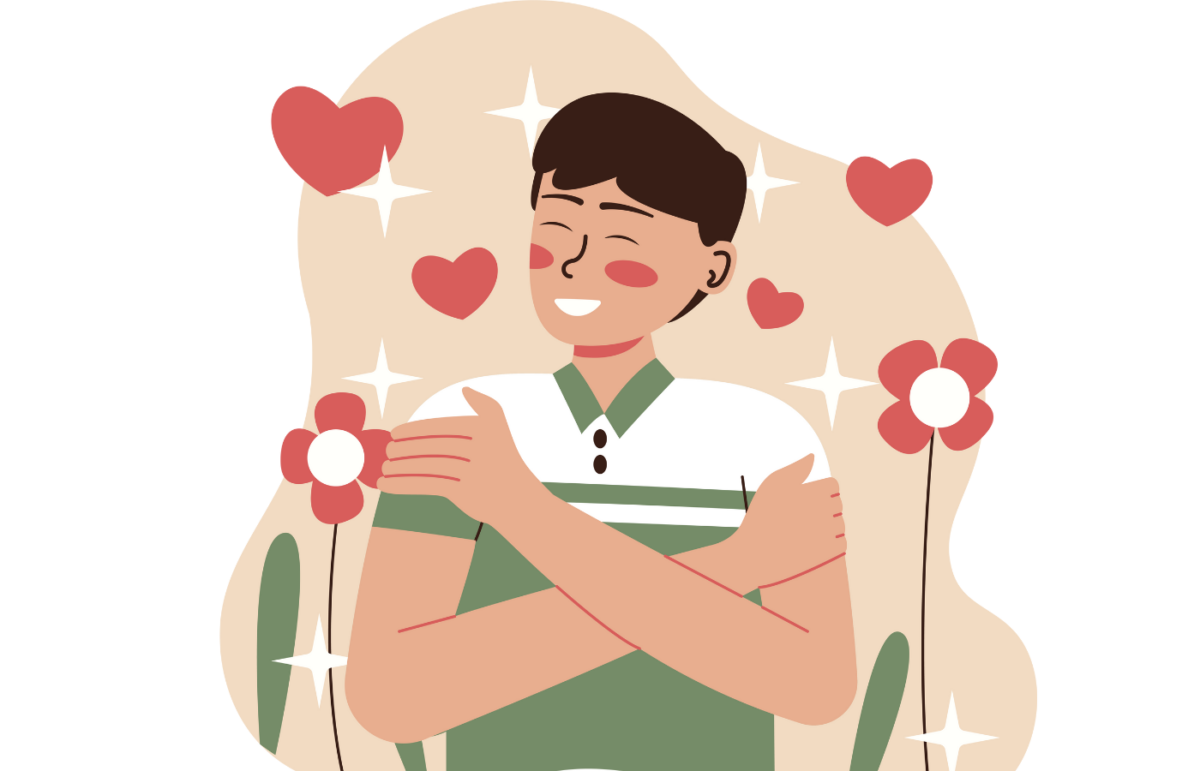
The first step is to start reminding yourself that people are more than their appearances – including yourself. Learn to recognize and admire the mental and emotional qualities of others, and you might soon start to see yourself in a much kinder light as well.
On social media platforms, diversifying your newsfeed algorithm is an effective solution to avoid seeing content idolizing certain beauty standards.
Delve deeper into your interests, pick a new hobby, practice meditation, or watch calming videos of baby lambs. Once you refresh your algorithm, you’ll be amazed at how much social media has to offer beyond the content that you’ve consumed so far.
Fortunately for us all, social media platforms also give you a choice of reporting content you don’t want to see on your feed. This feature has simplified adjusting algorithms for users; it’s definitely worth your shot.