
Around 65 years ago, when American drug regulators first approved antidepressants, patients and doctors were equally in awe of these miracle drugs. They were quick to act upon administration and seemed to have no side effects. Whether it be the loss of a loved one, divorcing your spouse, or feeling low due to academic pressure, antidepressants were the most straightforward (and readily available) solution to any issue. However, people gradually realized that antidepressants do have serious side effects, especially in those who abuse them.
In today’s feature, we discuss the easy use of antidepressants, the problem of their widespread usage, and safer alternatives.
Prevalence of antidepressant use in India
As India buckles up for progress, its citizens are facing a rise in mental health issues. Around 56 million Indians are estimated to be living with depression, and another 38 million have an anxiety disorder. In 2019, India had the highest rate of suicide in the world, and suicide is an indicator of depression. The pharma industry has shared figures that show an increase in antidepressant prescriptions by 23% between 2020 and 2021.
Several factors have contributed to an increase in the use of antidepressants in India and even some developed countries like the US. First, there is still a lack of awareness and stigma surrounding mental health disorders. Take US colleges, for instance. Around 75% of college students are reluctant to seek help. This reluctance to seek medical help has increased the risks of dropping out of college, poor academic performance, suicide, and substance abuse.
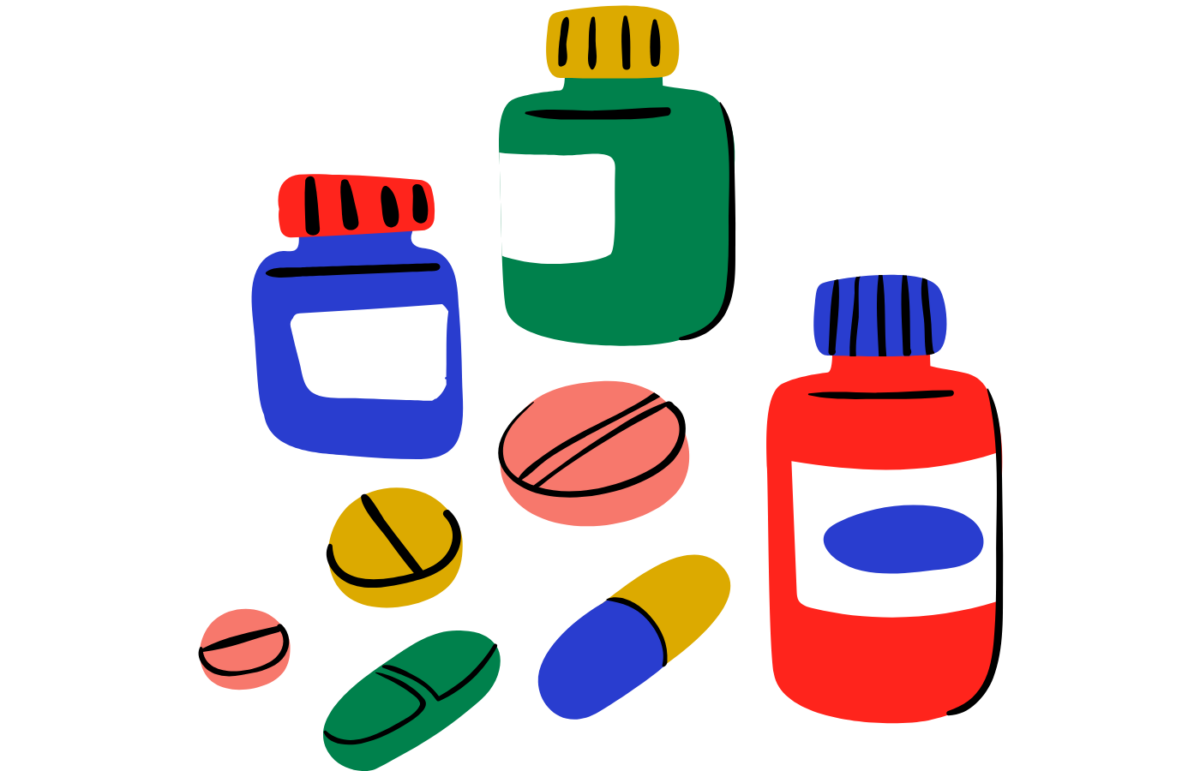
As psychiatric clinical guidelines were revised in recent years, the use of antidepressants is no longer recommended for the first line of treatment. The problem, however, is that people who don’t need the drug and can be treated through better alternatives are already dependent on these drugs, prescribed much earlier. People are getting refills of the drugs using prescriptions that were written more than five years ago. Even worse are the cases where people are taking more than the prescribed dosage of these medicines.
Risk of misusing antidepressants
Unlike other drugs in the market, antidepressants are long-term medications, and they take time to show results. In general, it takes weeks (and sometimes, even months) for the antidepressants to alter the release of chemicals between the synapses in your brain. It can be frustrating for a patient suffering from depression to have to wait to get better. Because of this delayed effect, people may overuse antidepressants.
As antidepressants produce profound chemical alterations in our brains, they’re not to be taken lightly. These drugs can easily result in serious side effects. This goes for people both on usual and higher and higher dosages. As serotonin influences hormone secretion from the pituitary gland, antidepressant abuse and usage also significantly influence the circadian rhythm. The long-term side effects of using antidepressants include:
- Decreased sex drive
- Inability to orgasm
- Nausea
- Dizziness
- Change in appetite
- Weight gain
- Weight loss
- Insomnia
- Paranoia
- Sudden cardiac arrest
- Changes in heart rhythm
Withdrawal side effects include:
- Intense dreams
- Anxiety
- Fatigue
- Irritability
- Headaches
- Chills
- Muscle aches
- Worsening depression
- Dizziness
The dilemma of long-term antidepressant use
It’s natural to wonder why, despite knowing about side effects, most doctors don’t stop prescribing antidepressants. A quick research showed that doctors are hesitant about the treatment plan of people dealing with depressive episodes. They fear that if they ask patients to stop taking antidepressants, it could result in the relapse of depressive episodes and perhaps even aggravate the symptoms.
Many people with depression continue taking antidepressants for months and even years despite their symptoms being alleviated. It’s all part of maintenance therapy, which aims to reduce the risk of relapse. The good news is that there is research suggesting the effectiveness of these drugs in preventing relapse in long-term antidepressant users.
The study was conducted on those who had two previous relapses of depression. Researchers compared rates of relapse in those who continued antidepressants with those who had stopped usage. They found that people who stopped medication were more likely to relapse. However, more than 4 in 10 people who stopped taking antidepressants had no relapse of their depression. Perhaps in milder cases, the success rate might be even higher.
Recommendations for a safer approach
The latest clinical guidelines suggest that these drugs are no longer recommended as the first line of treatment for mild–to–moderate cases of depression. There are several better and safer alternatives to antidepressants, including psychotherapy, mindfulness-based practices, exercise regimens, and lifestyle modifications.
Psychotherapy, in particular, is highly effective in treating depression. It includes the utilization of evidence-based psychotherapeutic approaches such as cognitive-behavioral therapy (CBT), interpersonal therapy (IPT), and mindfulness-based cognitive therapy (MBCT) that help improve mood regulation.
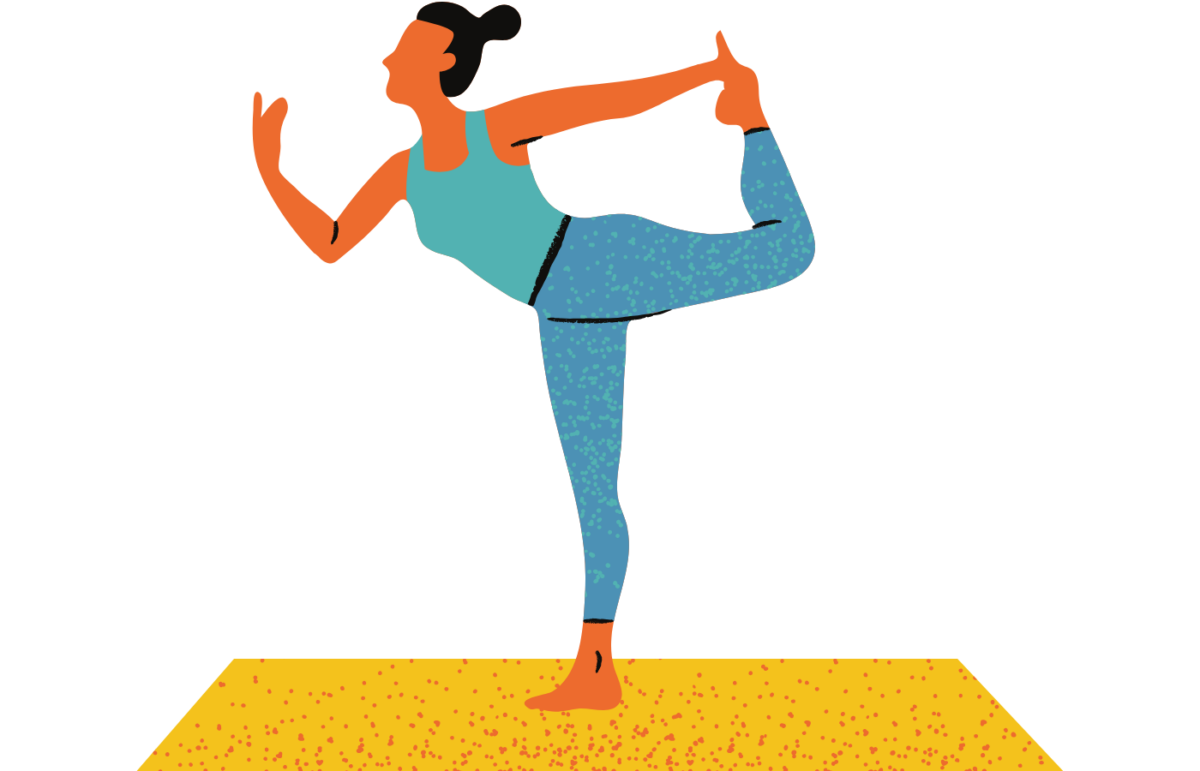
Mindful practices such as meditation and yoga are another effective way to manage depression and reduce stress. The techniques involved focus on present-moment awareness, acceptance, and self-compassion, promoting emotional resilience, and psychological flexibility. No doubt, integrating daily routines into your life can enable people to overcome depression much more safely.
There is no doubt that antidepressants are a valuable treatment option for managing depression. However, the increasing number of prescriptions for antidepressants has pushed many people to wonder if this is the best option available.
Medications play a significant role in symptom management, but they should not be viewed as the sole solution. It’s better to integrate alternative therapies such as psychotherapy, mindfulness practices, and lifestyle modifications into treatment plans. These alternatives can enhance efficacy, reduce reliance on medication, and have no side effects.
Instead of trying to manage depression on your own, it’s always better to seek support from qualified professionals.