The rate of student suicides in India has reached a disturbing new high, with the number of cases increasing at a rate far outstripping both the national population growth and overall suicide trends, according to a recent report. The report, titled “Student Suicides: An Epidemic Sweeping India,” was unveiled at the Annual IC3 Conference and Expo 2024, shedding light on a growing crisis that demands urgent attention.
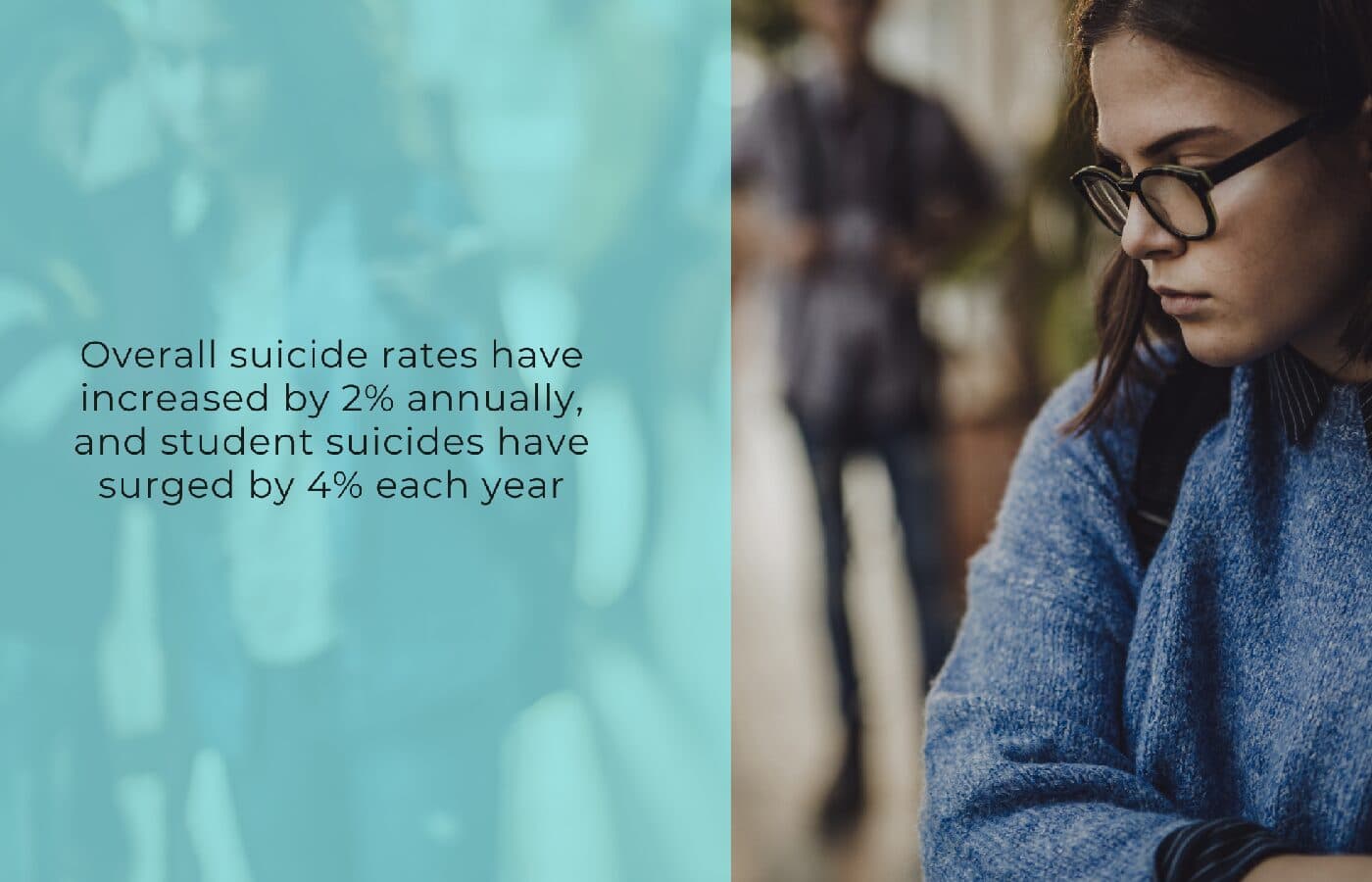
Drawing from data provided by the National Crime Records Bureau (NCRB), the report highlights that overall suicide rates have increased by 2% annually, and student suicides have surged by 4% each year—a figure that is likely understated due to the underreporting of such cases.
Over the past two decades, this trend has persisted, with the rate of student suicides doubling the national average. In 2022, male students made up 53% of all student suicides. However, between 2021 and 2022, suicides among male students dropped by 6%, while female student suicides saw a 7% increase.
A striking revelation from the report is the comparison of student suicide rates with population trends. Over the past decade, while the population of individuals aged 0-24 years decreased slightly from 582 million to 581 million, the number of student suicides almost doubled, rising from 6,654 in 2012 to a staggering 13,044 in 2022.
Maharashtra, Tamil Nadu, and Madhya Pradesh have emerged as the states with the highest number of student suicides, collectively accounting for one-third of the national total. Southern states and union territories contribute 29% of these cases, with Rajasthan, a state known for its intense academic competition in coaching hubs like Kota, ranking 10th.
The report emphasizes that the actual figures may be higher due to the underreporting of suicides. The social stigma associated with suicide, combined with the criminalization of attempted and assisted suicide under Section 309 of the Indian Penal Code, significantly impacts the accuracy of the data. Despite the decriminalization of suicide attempts for individuals with mental illness under the 2017 Mental Healthcare Act, the lingering effects of criminalization still hinder proper reporting, especially in rural areas where data collection systems are less robust.
“Adolescents are often misunderstood, and their struggles are dismissed as typical ‘teenage rebellion.’ The alarming rise in student suicides can be attributed to increasing academic pressure (especially after NEET, NET postponement, and RCI bills), social expectations, and distressing environments that many youngsters face.
The feeling of impending doom and a bleak future, the weight of disappointing their families—often equating personal worth with academic success—exacerbates their emotional turmoil,” says Aditi Bajpai, a psychologist.
The report also notes a dramatic rise in student suicides over the past decade, with male suicides increasing by 50% and female suicides by 61%. Both genders have experienced an average annual increase of 5% in student suicides over the last five years, underscoring the urgent need for enhanced mental health support and a deeper understanding of student aspirations within educational institutions.