
Eight years ago, I told an ex-friend, “Stop being so ADHD in your behavior.”
Words I immensely regret. Words I uttered without even knowing their meaning. ADHD, for me then, just meant someone being hyperactive. My words were meant to criticize but not harm. They came from ignorance and some all-knowing superiority I thought I was divinely gifted with.
In 2023, when I read ADHD and C-PTSD in my ‘diagnosis,’ I thought then of those words, which, as they say, came crashing back to me in true vindictive Karma style. Since then, I have spent months exhausting myself trying to understand…myself.
And I am aware of how little I know.
“It’s only been 6 months since you realized you have sensory issues,” my therapist said last week. And that’s true. A label – something I resisted all my life – had finally given me clues to understanding. With that understanding came better management.
With each new day, I realize something about neurodivergence. A small tweak can make life better. But a small change in routine can send my day crashing. My head bursts when the basketball court in front of my window gets full and noisy. People energize me, and conversations drain me. I can spend weeks agonizing over an error I made, feeling the all-too-familiar crushing pangs of rejection wrap me in a death embrace.
A world that isn’t built for us
And with each new day, I am aware of how little others know. Many of us are in the stage I was in eight years ago. We feed into misconceptions and dismiss neurodivergence as something that we really don’t want to deal with in our lives.
This world isn’t made for neurodivergence. But there isn’t another world for us.
So, we adapt, mask, and fit in. If this world were kinder, however, life would be easier. If this world were to be more aware of neurodivergence, it would make living lighter.
Understanding neurodivergence
For those who may not know, neurodivergence refers to variations in the human brain that affect how we process information, interact with others, and navigate the world. ADHD, autism, dyslexia, and other conditions fall under this umbrella.
– How do you support neurodivergent folks?
– Why should you even bother?
– What is neurodivergence? (And no, it’s not some inexplicable “crazy” behavior)
– The realities of masking
How can you help?
If you’re neurotypical, here are three ways you can support neurodivergent individuals:
- Educate yourself: Misconceptions hurt. Take the time to learn what neurodivergence really means.
- Create safe spaces: Be mindful of environments. Reducing noise, offering flexibility, or simply being patient can make a world of difference.
- Challenge stigma: Call out stereotypes and advocate for inclusion wherever you can.
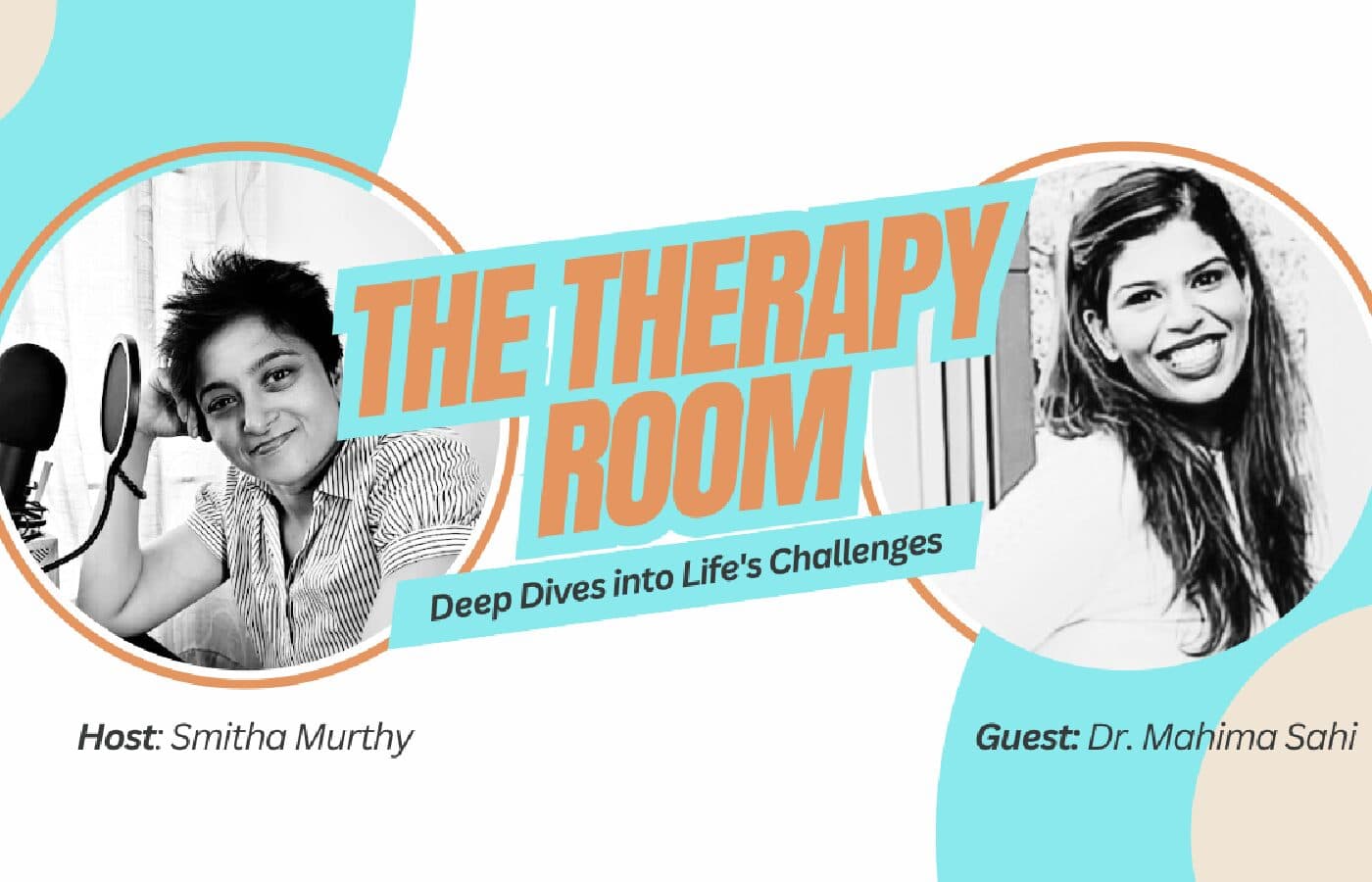
These and more are the things I discussed in the first podcast of a wonderful series on neurodivergence in The Therapy Room.
My therapist was Dr. Mahima Sahi, Ph.D., the program director at embrace. I love what they are doing – the two women I have interacted with here have exuded warmth and honesty. We need more centers like these, especially so that the most vulnerable among us – our children – get the support they deserve.
Episode is out now on Spotify and any other podcast platform.
Why this matters
Eight years ago, I spoke out of ignorance. I didn’t mean harm, but I caused it. Today, I’m working to be better—not just for myself, but for the neurodivergent community.
Because here’s the truth: neurodivergent folks are some of the most insightful, resilient, and creative people I know.
If this world isn’t built for us, maybe it’s time to start changing the blueprint.


