
For most of us, it’s become background noise—the persistent buzz of anxious energy flowing through our digital lives.
The restless urge to compulsively check for new notifications. The fear of missing out on viral moments as infinite content passes by. The sleep-disrupting pull of doom scrolling just…one…more…time before bed.
We have all been there, haven’t we? There’s even a term for it: digital anxiety.
Our obsession with technology leads to uneasiness, irritability, and anxiety as it tethers us to infinite scrolls of disembodied information, carefully curated glimpses into others’ lives, and pings that distract us constantly.
The irony, of course, is that these innovations were meant to improve our lives—not incrementally erode our present awareness and inner peace.
The question then arises: just how do we find a balance between technology’s benefits and its anxiogenic effects, best avoided?
What exactly is digital anxiety?
The term “digital anxiety” refers to a range of psychological stressors caused by our ubiquitous exposure to digital technologies and online content, such as:
- Compulsive device checking and scrolling habits
- Persistent feelings of being overwhelmed by information overload
- Restlessness and irritability when disconnected from devices
- Fears of missing out (FOMO) on social updates and experiences
- Comparison anxieties triggered by curated depictions on social media
- Sleep disturbances and inability to disconnect before bedtime
Multiple studies have found that increased digital media usage was significantly associated with higher levels of anxiety and depression.
Moreover, excessive screen time has been shown to disrupt neural pathways involved in attention, emotion regulation, and reward processing in ways that can exacerbate anxious tendencies.
Could you be digitally anxious?
While some degree of digital anxiety is becoming normalized in our modern lives, there are signs it may be impacting your well-being:
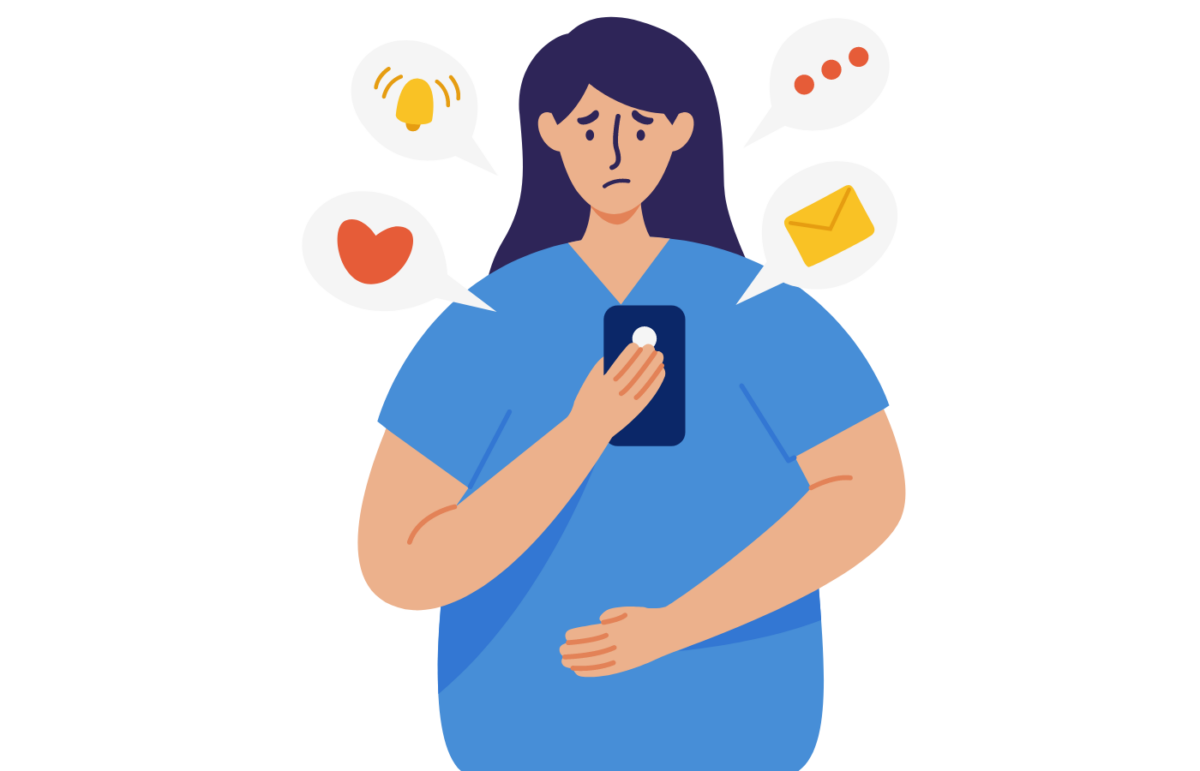
- You experience persistent feelings of restlessness, guilt, or anxiety when disconnected from devices or apps
- Distractions from your devices interfere with your ability to concentrate and perform routine tasks satisfactorily
- Your digital consumption habits interfere with work, relationships, and even routines
- You frequently lose track of time, mindlessly scrolling or consuming content
- You compare yourself unfavorably to others’ curated depictions on social media
If these resonate with you, it may be time to step back and reflect on developing a healthier relationship with your digital domains.
Ways to cope with digital anxiety
1. Keep anxiety in perspective
While curbing compulsive digital behaviors is wise, it’s also important to accept that some degree of anxiety is part of the human experience and not necessarily something to be eliminated in totality. Be honest with yourself and understand that anxiety is just a part of your life, thereby preventing a fall into avoidance, negativity, or self-judgment while experiencing it.
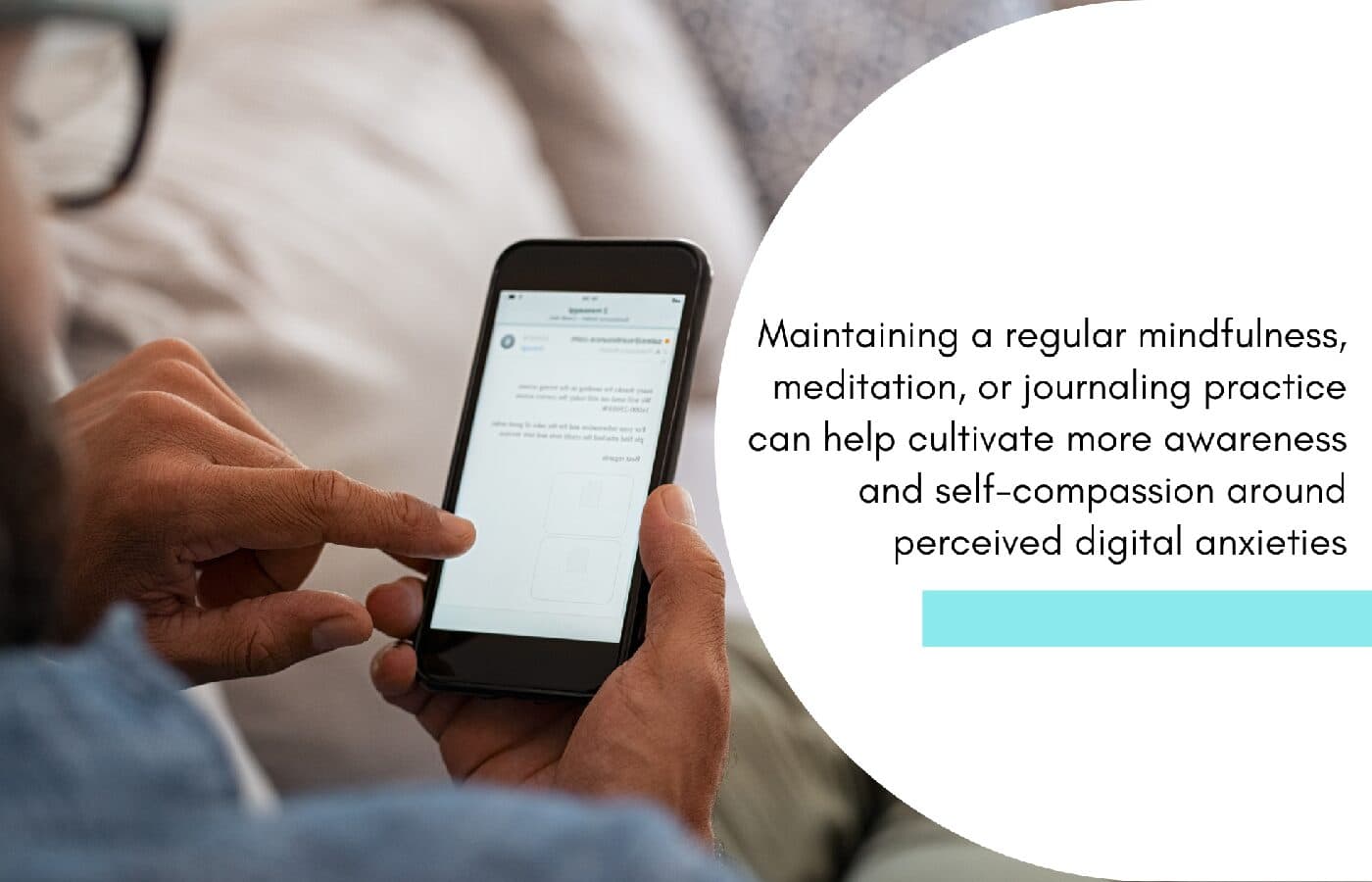
Maintaining a regular mindfulness, meditation, or journaling practice can help cultivate more awareness and self-compassion around perceived digital anxieties.
These practices create a mental space between what you experience and your reactions, allowing you to observe digital content without immediate emotional overwhelm. For instance, meditation helps in creating a breathing space between what we are witnessing and our thoughts while journaling gives us space to express what we feel.
They reduce reactivity and enhance emotional regulation, helping you manage anxiety more effectively. Through these methods, you build a healthier and more intentional relationship with your digital environment.
2. Implement regular planned digital detoxes
One of the most powerful antidotes to digital anxiety is to simply disconnect periodically through scheduled digital detoxes or periods of intentional unplugging. These planned detoxes can range from a few hours each day to entire weekends or even longer.
To combat the anxiety that may arise during these detoxes, start small and gradually increase the duration. Engage in offline activities you enjoy. Mindfulness practices, like meditation and deep breathing exercises, can also help ease the transition and reduce anxiety.
Studies have linked digital detoxes to improvements in depression symptoms, among other benefits. Use this free time to engage in restorative offline activities like spending time in nature, exercising, reading, meditating, or simply hanging out with your loved ones!
3. Optimize your tech use
Spend some time auditing your current digital behaviors and documenting how different apps and activities make you feel. Notice which ones tend to promote anxiety, loneliness, or compulsive habits and compare them to those that are enriching.
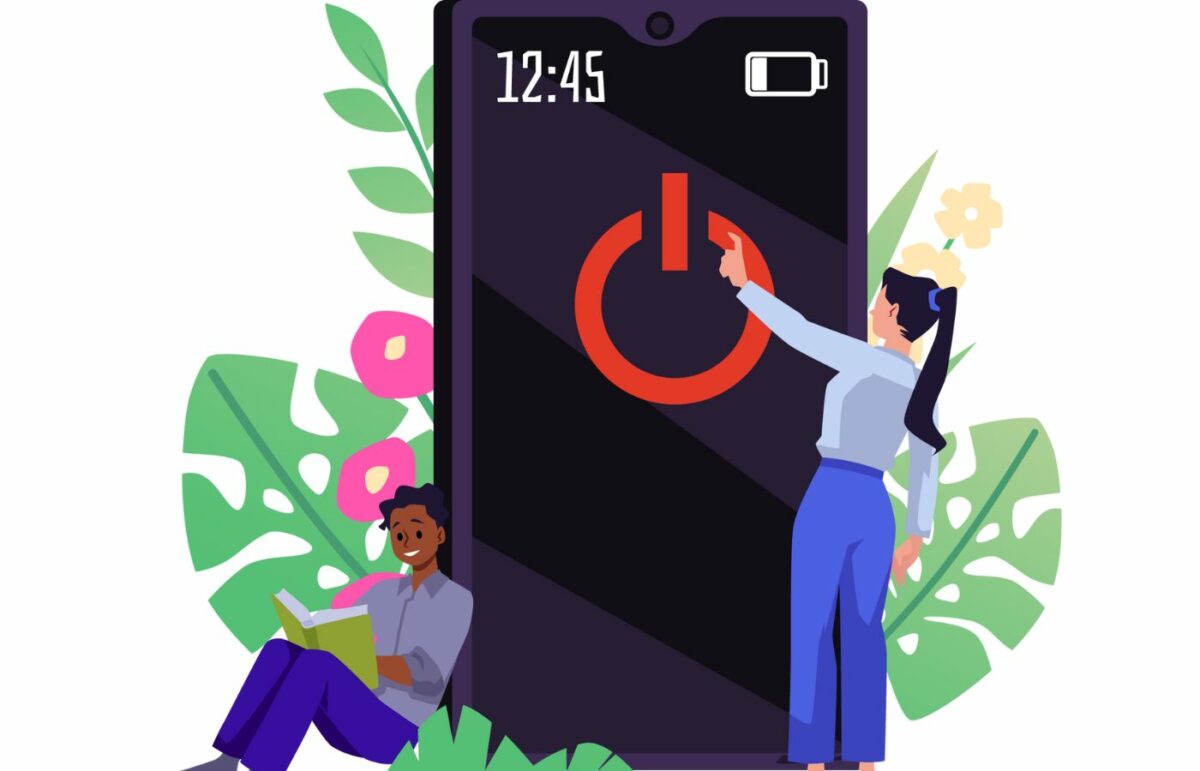
Disable draining apps, accounts, and feeds while boosting more positive presences. If the content is distressing you, remember that you have the power to be conscious about the content you see. Take control by choosing what you allow into your digital space.
The goal is to become more aware of your digital diet so you can be more intentional about regularly curating it, ensuring that your online environment supports your well-being and peace of mind.
4. Enlist an accountability buddy
Humans are wired for social connection. Partnering with an accountability buddy can provide crucial pillars of motivation, community, and shared understanding amid the challenges of cultivating healthier digital habits.
Talking to close friends or partners about the desire for more balanced tech-life boundaries is key. Finding out common interests and going deeper into them through activities like reading books, listening to podcasts, etc., can spark great discussions.
5. Move your body, move your mind
Our bodies and minds co-evolved to move regularly throughout the day—a natural rhythm that excessive stillness from digital overload disrupts. Regular exercise breaks during digital usage and injecting more movement into each day are ideal remedies.
Remember the rule of 3-3-3 to feel grounded: naming three things you can see, three things you can hear, and moving three different body parts.
6. Create physical boundaries
One of the simplest and most powerful tactics is to simply create more physical space between yourself and your devices during designated periods. This provides a mental pause and enables breathing room from the constant stimuli, rather than instant gratification.
Leaving your phone in another room at the end of the day is another useful tip. You can set a timer for phone-free periods to incrementally extend these digital downtimes.
7. Prioritize self-care and offline interests
At its core, mitigating digital anxiety involves prioritizing enriching experiences in the real world and taking care of ourselves. In turn, it enhances the regulation of moods and emotions, increases mindfulness, and boosts creativity, productivity, and attention spans.
It’s okay to start slow. Take that stroll with a friend. Go on that hike. Just remember to be consistent and incremental with your offline interests to reduce online obsession.

At the end of the day, we all want to feel empowered over our digital besties and reclaim sovereignty over our attention span and inner peace.
Digital anxiety is ultimately manageable and preventable with thoughtful adjustments and mindful habits. We can all find a healthy equilibrium between embracing and restraining our technological marvels by implementing the right boundaries, mindsets, and support structures.
Just remember to breathe, blink, and look up from your devices every now and then. Life is happening—in the real world too!


