

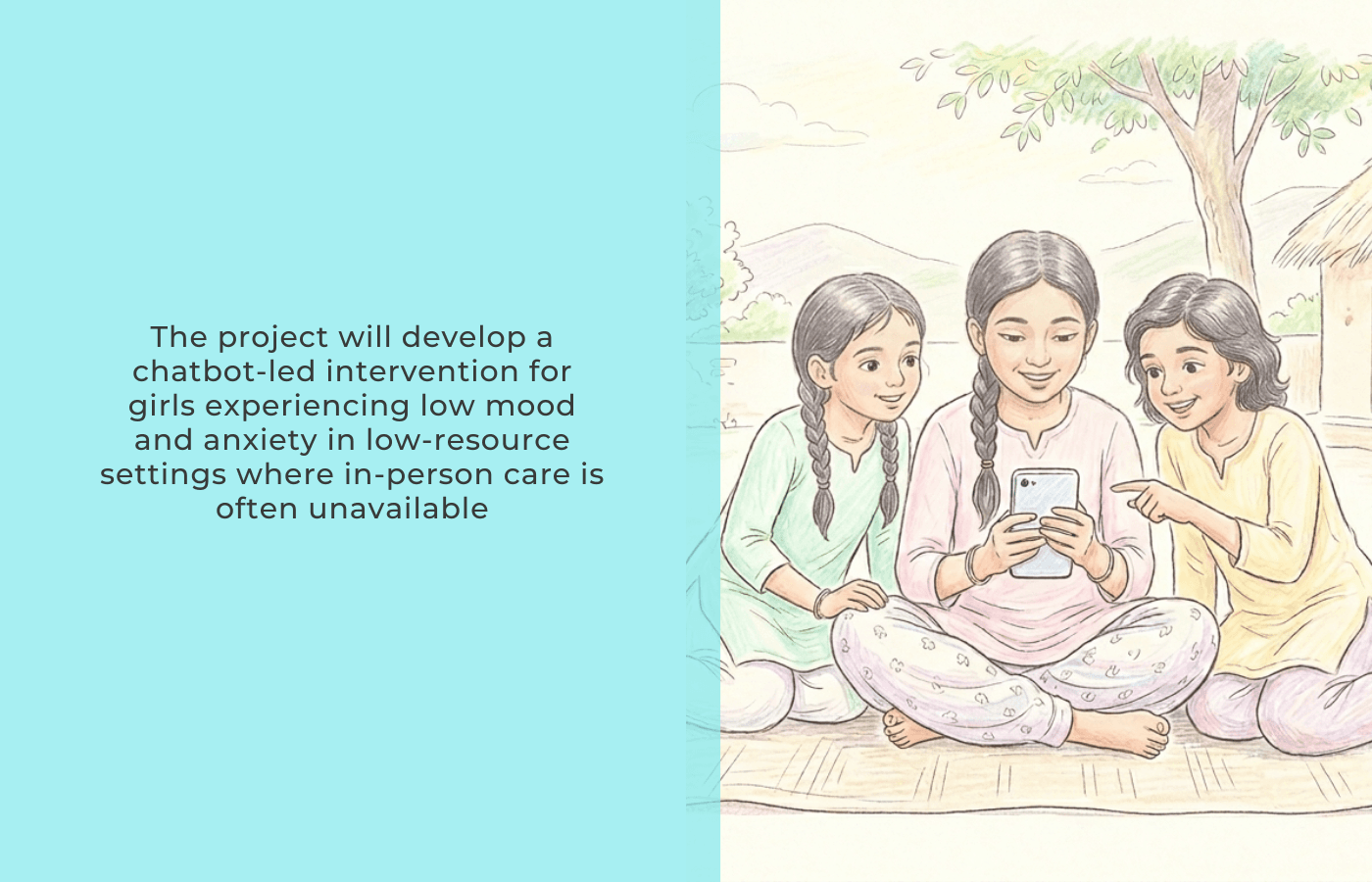
Bengaluru-based mental health startup Wysa and Imperial College London have begun a four-year, ₹6.6 billion project to adapt and test an AI-enabled digital mental health program for adolescent girls in rural India. The project, funded by Wellcome, will develop a chatbot-led intervention for girls experiencing low mood and anxiety in low-resource settings where in-person care is often unavailable.
The collaboration is significant because it places rural Indian adolescents at the center of a problem that global mental health research has tended to overlook. Girls in rural India often sit at the intersection of multiple pressures: gendered expectations at home, limited access to confidential spaces, and sparse clinical infrastructure. According to the researchers, the tool will be culturally adapted and tested through field trials, with a focus on acceptability, safety, and measurable improvement in symptoms.
Wysa, which has raised more than $29 million to date and serves users in 95 countries, brings clinical evidence from its existing chatbot. Imperial brings trial design and implementation science. Together, they are building toward something India urgently needs: scalable, evidence-based first-line support for young people who may never see a therapist otherwise.
Why this matters for MyndStories readers
Digital tools will not replace human care, but they can widen the door. For a teenage girl in a village in Jharkhand or Bihar, a private, free, multilingual chatbot may be the first honest conversation she ever has about what she is feeling. The research will also generate data on what works, and that data is badly missing from the Indian mental health evidence base.


