“The most rewarding aspect of therapy is to see a person move.”
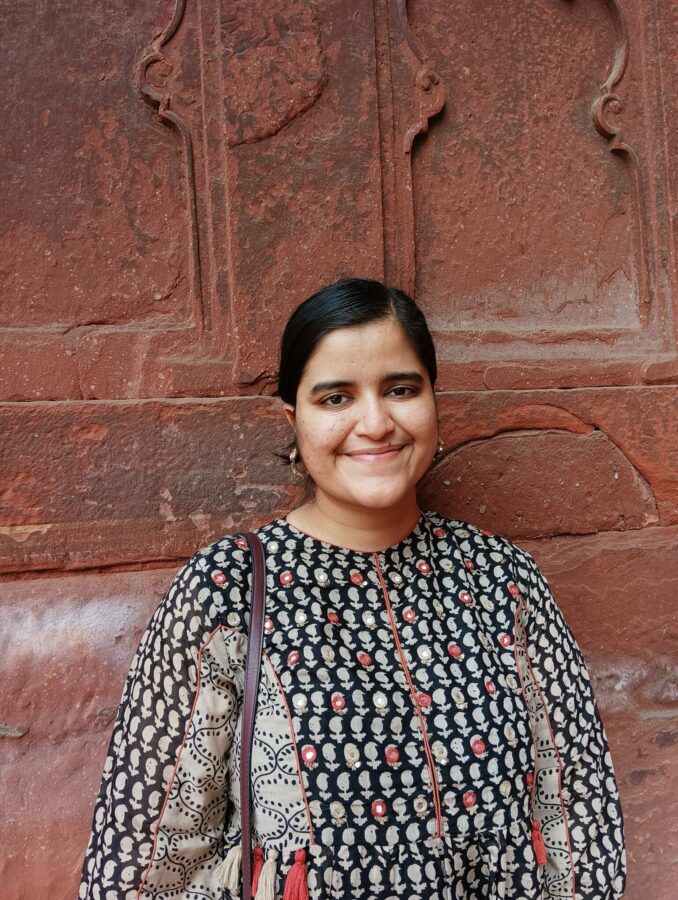
These words, spoken by Mansi Aggarwal, a therapist with MyndStories and a co-founder and psychotherapist at Sehjeevan, echo the essence of her transformative approach to mental health advocacy as a therapist.
With over 5 years of experience in the mental health space, Mansi’s journey into therapy wasn’t conventional. Despite lacking a familial or educational background in the field, she was drawn to the creative and analytical aspects of psychology. “It made perfect sense,” she recalls, describing the organic evolution of her career choice.
For Mansi, therapy isn’t just about addressing individual issues but navigating the intricate interplay between personal experiences and societal structures. In this exclusive interview, we dive deep into Mansi’s insights, experiences, and vision for a more inclusive and informed society.
Here are some excerpts from our conversation.
Let’s start from the beginning. What personal experiences led you to pursue a career path in psychology?
My path into therapy wasn’t conventional. I didn’t grow up dreaming of becoming a therapist; it found me, in a way.
With a background in science and being an analytical person myself, I stumbled upon psychology almost serendipitously. Despite not having any familial or educational ties to the field, something about it resonated with me deeply.
It felt like a blend of science and art, a perfect fusion of the technical and the creative.
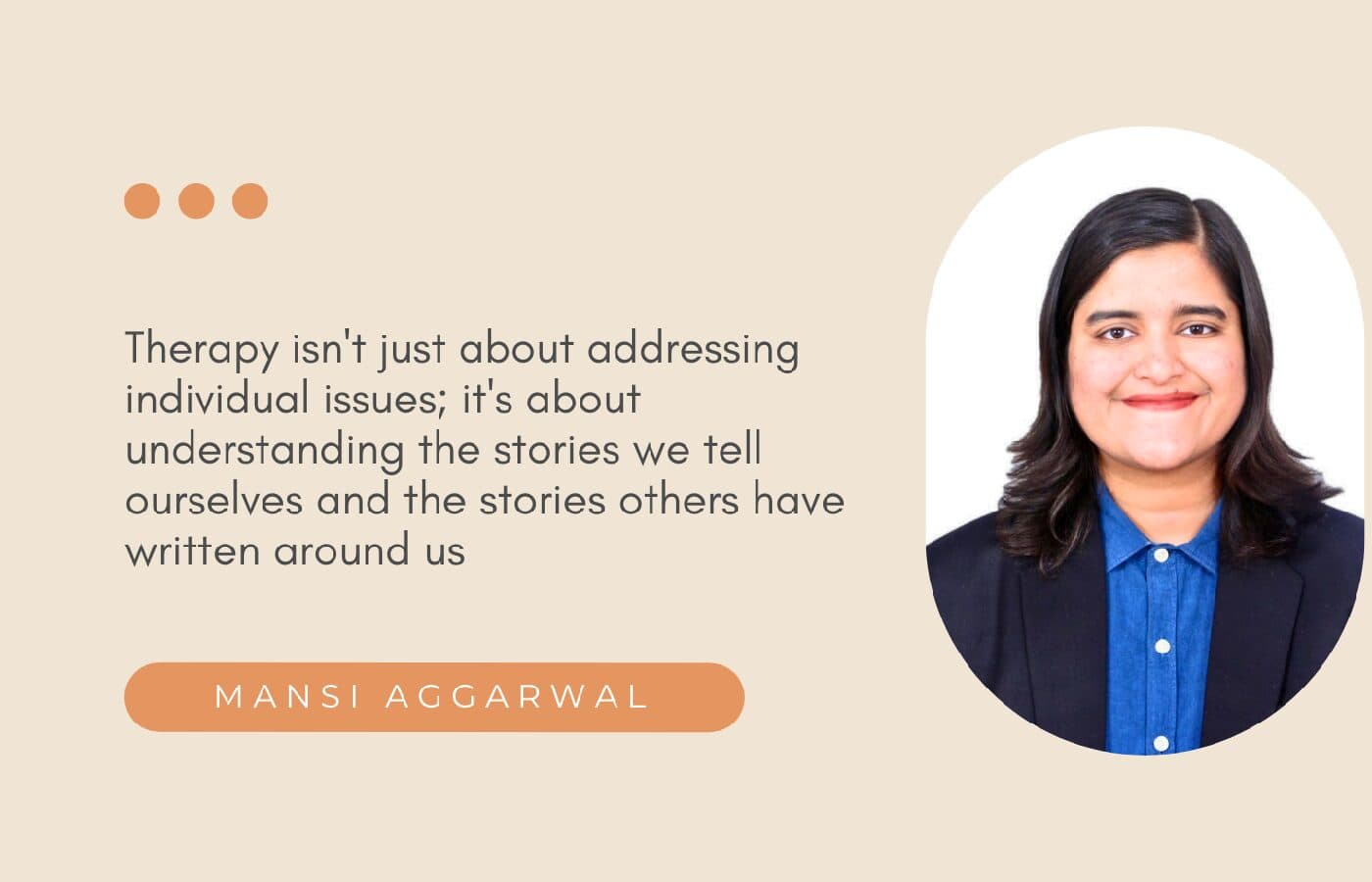
Driven by curiosity and a desire to understand the human condition, I found my niche in relational and trauma-informed therapy. I realized that therapy isn’t just about addressing individual issues; it’s about understanding the stories we tell ourselves and the stories others have written around us.
So, what was the turning point when you decided on psychology as your career?
It wasn’t a single moment but rather a gradual realization. With no background in psychology, I began the journey of self-discovery, contemplating my aspirations and capabilities.
Initially considering diverse fields like law and hospitality, I became drawn to psychology organically, recognizing its potential to align with my interests and values. The traces of my earlier choices continue to resonate within my practice, and I’m grateful for their influence.
Can you describe your therapeutic approach?
My therapeutic approach is eclectic and trauma-informed. Eclectic means I incorporate various modalities, drawing from my training in narrative and relational therapies. My practice emphasizes collaboration and skill-building, tailoring interventions to suit each individual’s needs.
Additionally, being trauma-informed allows me to approach issues without pathologizing them, considering the impact of trauma and social contexts on mental health. I integrate an understanding of intersecting factors like gender and class, viewing each client holistically within their social and political context.
What age group do you primarily work with, Mansi?
While I primarily work with young adults, my client demographic varies depending on individual needs and circumstances. Generally, I cater to individuals aged 18 to 60, with a current focus on those within the 25 to 40 range.
Could you share a rewarding experience from your practice?

The most rewarding aspect of my work is witnessing clients’ growth over time.
You see, observing individuals progress from their initial struggles to a place of greater resilience and self-awareness is immensely fulfilling. A therapeutic relationship built on trust and collaboration allows for meaningful transformations.
So, how do you maintain motivation and emotional resilience as a therapist?
Having a supportive network of supervisors, peers, and clients is crucial for maintaining motivation — at least for me, and I’m sure for other therapists, too.
Also, setting boundaries and practicing self-care is essential for preserving emotional well-being amidst the demands of therapeutic work. I understand that work is work, and there’s a beautiful life happening for me — and I always try to prioritize both.
What is the most misunderstood aspect of therapy or mental health?
One prevalent misconception is that therapy is only for certain individuals or issues. In reality, therapy is for anyone seeking personal growth or support.
There’s a need to debunk the notion that therapy can provide instant solutions or be accessible 24/7. Establishing realistic expectations and addressing systemic barriers give birth to an inclusive approach to mental health care.
If you could change one thing about the perception of therapy, what would it be?
I would prioritize increasing awareness and accessibility to mental health resources, starting with comprehensive education and destigmatization efforts. Integrating mental health literacy into school curricula and promoting equitable access to therapy help enable an informed and supportive society.
So, Mansi, looking back, what advice would you give your younger self or aspiring therapists?
I would encourage my younger self to embrace the journey of self-discovery and professional growth with patience and openness. Finding mentors and peers who align with your values and aspirations can provide invaluable guidance.
Additionally, prioritizing self-care and maintaining a diverse skill set are essential for navigating the challenges of the therapeutic profession.
Let’s dive into a quick rapid-fire, shall we?
“Oh yes, bring it on!” Mansi said, her eyes twinkling. To answer the first question about her go-to self-care activity, Mansi responded, “Music! Each and every kind of music brings me joy and keeps me relaxed.” We sure vouch for that!
What’s the proudest career movement of yours so far?
It brings me immense joy when clients express confidence in their journey with me, such as reassuring others by saying, “I have a session with Mansi—I’m in good care.” Such moments reaffirm the value of our therapeutic relationship and inspire me deeply.
What’s your biggest therapy pet peeve?
“Lack of structure.”
Share some of your favorite mental health affirmative, binge-worthy shows or movies. You know, the feel-good ones!
So I know this can be subjective, but here are my takes — Schitt’s Creek, Parks and Recreation, and Brooklyn 99. I’m currently rewatching Superstore, which is just too good!
What’s that one therapy myth you’d like to eliminate?

The misconception that therapy achieves nothing is far from the truth. Therapy is a universal tool for personal growth and self-awareness, transcending mere issue resolution. It builds self-acceptance, laying the foundation for healthy relationships — with oneself and others — ultimately leading to profound inner fulfillment.
What’s the biggest lesson you’ve gotten from a client?
Everything serves as a reflection — a reminder of our interconnectedness and the impact we have on one another. While we’re influenced by external factors, it’s rooted in our response. This understanding shapes our experiences and relationships.
Lastly, what message would you like to share with readers?
I believe therapy is a transformative journey that holds value for everyone. By advocating awareness and understanding of mental health, we can create a more supportive and inclusive community. It’s never too late to prioritize your well-being and seek support. Therapy is a collaborative process that empowers us to be resilient towards life’s challenges.
As the conversation wound down, Mansi reflected on the profound journey therapy offers. For her, it’s more than a profession—it’s a path of self-discovery and growth for both the therapist and the client.