

Throughout the course of life, we go through illnesses and diseases which necessitates multiple visits to the doctor.
Mental health works exactly how our physical health does, it’s just a little intangible at times. But is it really? Now, more than ever, people and organizations together are talking about mental health. But is it enough?
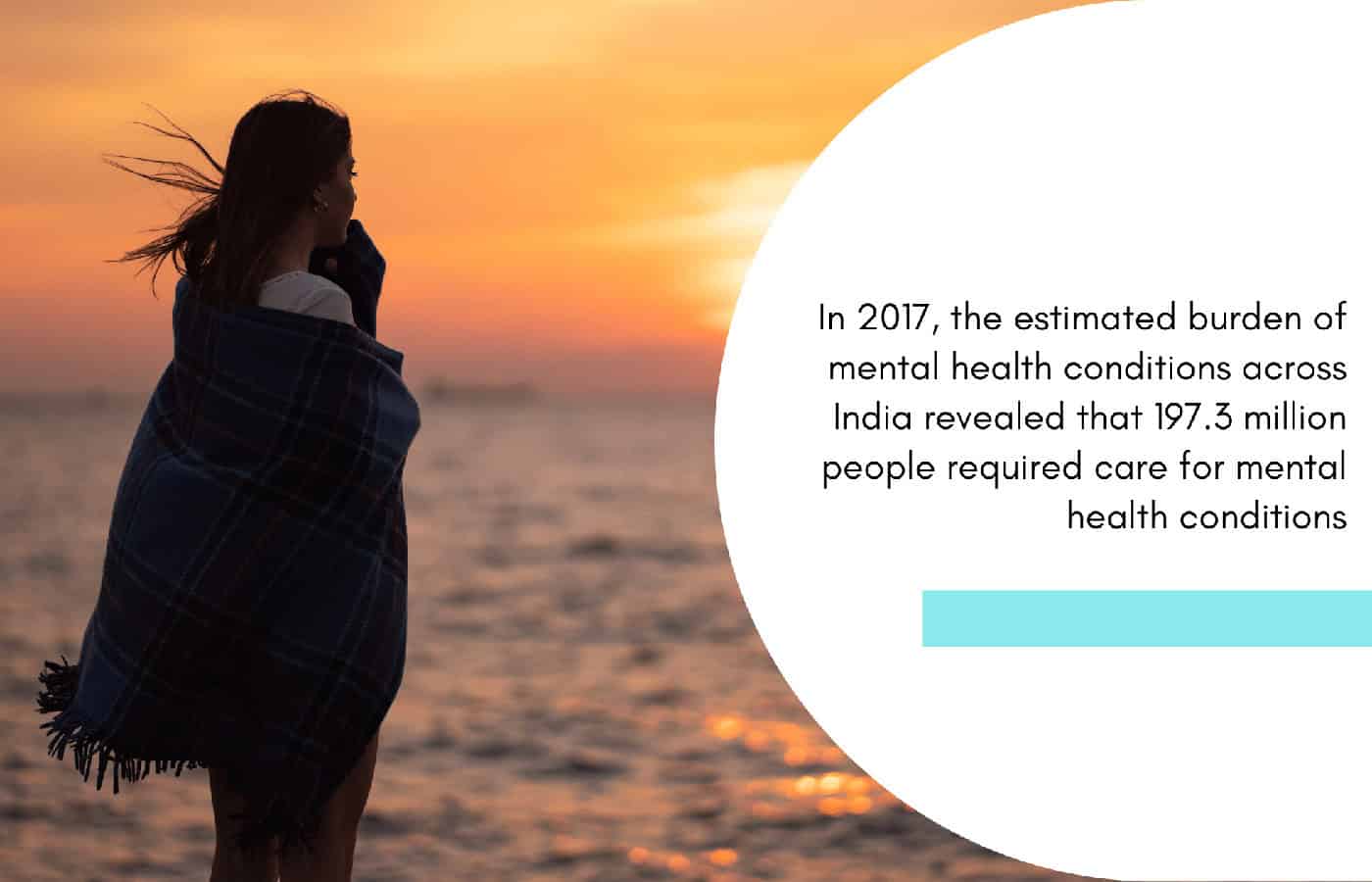
In 2017, an estimation of the burden of mental health conditions for the states across India revealed that as many as 197.3 million people required care for mental health conditions. And things have only gotten worse after Covid as suicide rates jumped due to many reasons. One in five people in India suffers from mental health difficulties at some point in their lives, making it a common problem. And yet millions of individuals throughout the country continue to be impacted by the stigma associated with mental health.
Why is there so much stigma? The reasons are many. Here are a few.
Harsh judgement
Unfavorable views and assumptions that people hold about those who struggle with mental health concerns lead to different manifestations of stigma including prejudice, exclusion, and discrimination.
Lack of knowledge or awareness
The widespread lack of awareness and persistence of stigma leads to delayed treatment and poor social support.
Sense of pride
Pride can present an unusual difficulty in that individuals find it difficult to accept that they need assistance and submit to the therapeutic process.
Fear of the unknown
There is much anxiety and trepidation that people experience in relation to mental health illnesses they don’t understand or are unfamiliar with. Lack of knowledge, comprehension, or personal experience with mental health problems can all contribute to this fear.
The dread of the unknown can show up in a variety of ways, such as avoiding those who have mental health problems, presuming these people are dangerous, or discounting their experiences as “not real.”
6 important signals that you should seek assistance

We all go through stress, anxiety, and mood swings from time to time due to relationship problems, workplace issues, etc. While many of us are able to overcome these challenges on a daily basis, sometimes we might need additional support. When things become ‘too much’ it’s always good to reach out for help. Here are a few signs when you need to do so.
1. Persistent depression and hopelessness
Persistent depression, hopelessness, or feeling worthless can be significant signals that you need help with your mental health. Even though it is common to feel sadness, persistent feelings of worthlessness or hopelessness can indicate a more serious mental health problem.
It’s critical to keep in mind that asking for mental health support is a sign of strength, not weakness. Even though asking for help can be difficult, doing so can change your life.
2. Extreme mood swings
Everyone experiences ups and downs in their emotions, extreme mood swings or difficulty controlling emotions can indicate a more serious issue such as a mood disorder or personality disorder.
In order to identify the root cause of your mood swings and how to work on controlling them, individuals must consider seeking help to not lose control of their lives along with the mood.
3. Suicidal thoughts
Having suicidal or self-harming thoughts certainly requires intervention from a mental health professional. These feelings are grave thoughts that may be an indication of a more serious mental health condition like depression, anxiety, or a personality disorder. It’s vital to keep in mind that aid is accessible and you are not alone.
4. Difficulty falling asleep or excessive sleep
Oversleeping or trouble falling asleep could be an indication that you need assistance with your mental health.
While it is common to have a bad bedtime routine, leading to different sleeping patterns, average humans still need an average of 6-8 hours of sleep every night in order to function properly. Mental health disorders like anxiety, depression, and post-traumatic stress disorder (PTSD) are frequently linked to sleep difficulties.
5. Changes in weight or appetite
It’s possible that someone with depression might go for days without getting adequate food or liquids. This may have an effect on their energy levels, lead to weight loss or gain and health issues, and exacerbate their despair.
6. Substance misuse or addiction issues
Substance misuse or addiction can often co-occur with mental health conditions. Each issue has distinctive symptoms that might affect one’s capacity to function at work or school, maintain a stable home life, deal with challenges in life, and relate to others. One can overcome a co-occurring disorder, reclaim their sense of self, and get their life back on track with the correct support, self-help, and treatment.
It is essential to be aware of the warning signs of mental health problems and get treatment when needed. Encourage a friend or family member who is exhibiting symptoms of a mental health problem to seek help and provide any support you can. Everyone deserves to feel their best, and getting treatment for mental health difficulties is not a show of weakness.
It’s also important to remember that sometimes we might not need a concrete reason to meet a therapist. Life can get overwhelming in many ways, and a professional can ease your worries by helping you gain a different perspective. Therapy doesn’t need a set of qualifying criteria many times. It provides you a safe space to talk, and sometimes that’s all we need to lead a mentally healthy life.


