We are having more ultra-processed food (UPF) than ever before. And that is reshaping not just our waistlines but our minds.
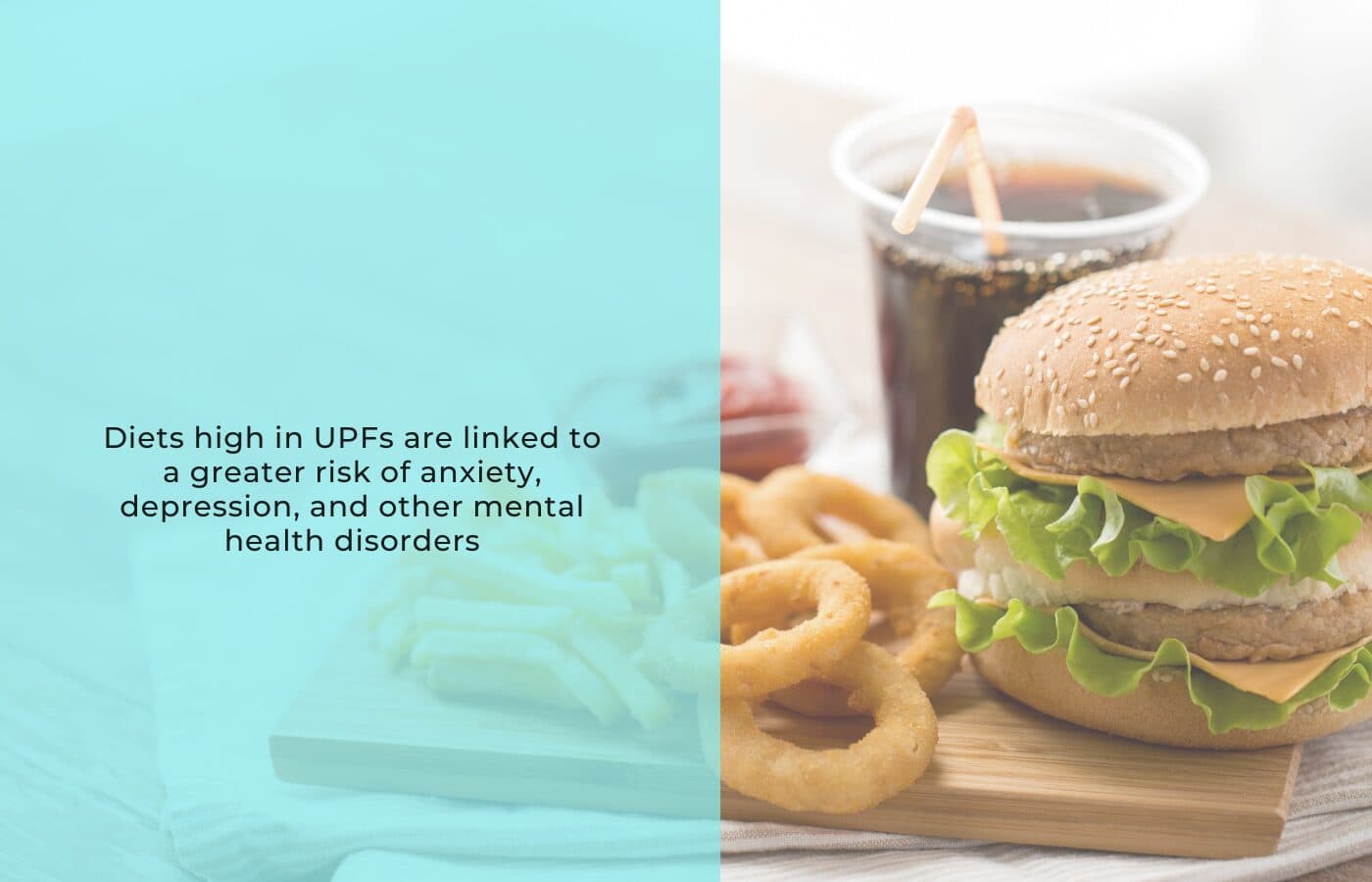
A new study published in the journal Nutrients has added powerful evidence to a growing consensus: diets high in UPFs are linked to a greater risk of anxiety, depression, and other mental health disorders. This research, along with earlier large-scale studies, is prompting experts to call for a closer look at what’s really in our food and how it might be affecting our emotional well-being.
What are ultra-processed foods?
UPFs are foods that have undergone multiple industrial processes and often contain additives, preservatives, artificial flavors, and colors.

Examples include packaged snacks, sugary sodas, instant noodles, frozen meals, and many fast foods. While convenient and tasty, these foods are typically high in unhealthy fats, salt, and sugar, and low in fiber and nutrients.
New insights from the Nutrients study
Researchers analyzed data from over 30,000 UK Biobank participants, comprising middle-aged and older adults, focusing on both dietary habits and blood-based metabolic markers. The findings were striking:
- Higher risk of mental disorders: People who consumed more UPFs had significantly higher risks of anxiety, depression, and substance use disorders.
- Metabolic signature: The study identified a specific blood-based metabolic profile linked to high UPF intake, partly explaining the increased risk of mental health symptoms.
- Worse psychological symptoms: Those with high UPF intake reported more frequent suicidal thoughts, anxiety, and dissatisfaction with their health.
What other studies show
This isn’t the first time UPFs have come under scrutiny for their impact on mental health:

- Harvard’s Nurses’ Health Study II:
Following over 31,000 women for 14 years, from 2003-2017, this study found that those eating nine or more servings of UPFs daily had a 50% higher risk of developing depression. The risk was even greater for those consuming large amounts of artificially sweetened foods and drinks. - Brazilian University Student Study (2025):
Among nearly 1,000 undergraduates, higher intake of fresh, minimally processed foods was linked to lower rates of depression, anxiety, and stress. However, this study did not find a statistically significant direct link between UPFs and mental health symptoms in this group, suggesting that results may vary by age and population. - Global trends:
In high-income countries, UPFs now account for more than half of daily calorie intake. This dietary shift parallels rising rates of depression and anxiety, especially among younger people.
Why might UPFs harm mental health?
Researchers propose several mechanisms:
- Gut-brain axis:
UPFs can disrupt the gut microbiome, reducing beneficial bacteria and increasing inflammation. This can affect neurotransmitter production (like serotonin), which is crucial for mood regulation. - Chronic inflammation:
Ingredients common in UPFs, such as refined sugars and unhealthy fats, promote low-grade inflammation, a known risk factor for depression and anxiety. - Blood sugar fluctuations:
Many UPFs are high in simple carbohydrates, causing rapid blood sugar spikes and crashes that can lead to mood swings and irritability. - Neurotoxic additives:
Artificial sweeteners, emulsifiers, and colorings may negatively affect brain function and emotional stability.
Limitations and the road ahead
While the evidence is strong, most studies (including the Nutrients study) are observational, meaning they can’t prove UPFs directly cause mental health issues.
Self-reported diets and limited diversity in study populations (often middle-aged or older adults in high-income countries) are other limitations. Still, the consistency of findings across different studies and populations is a cause for concern.
What can we do?
The message is clear: reducing UPF intake and choosing whole, minimally processed foods can benefit not just your body, but your mind. Public health policies that make healthy foods more accessible and educate people about the risks of UPFs could play a crucial role in improving mental well-being worldwide.