A pioneering study has unveiled a promising non-invasive treatment for individuals struggling with depression, anxiety, and trauma-related disorders.
Using low-intensity focused ultrasound, researchers have managed to directly target and modulate the amygdala, a deep brain region long linked to emotional regulation and mental health disorders-without the need for surgery or medication.
How the treatment works
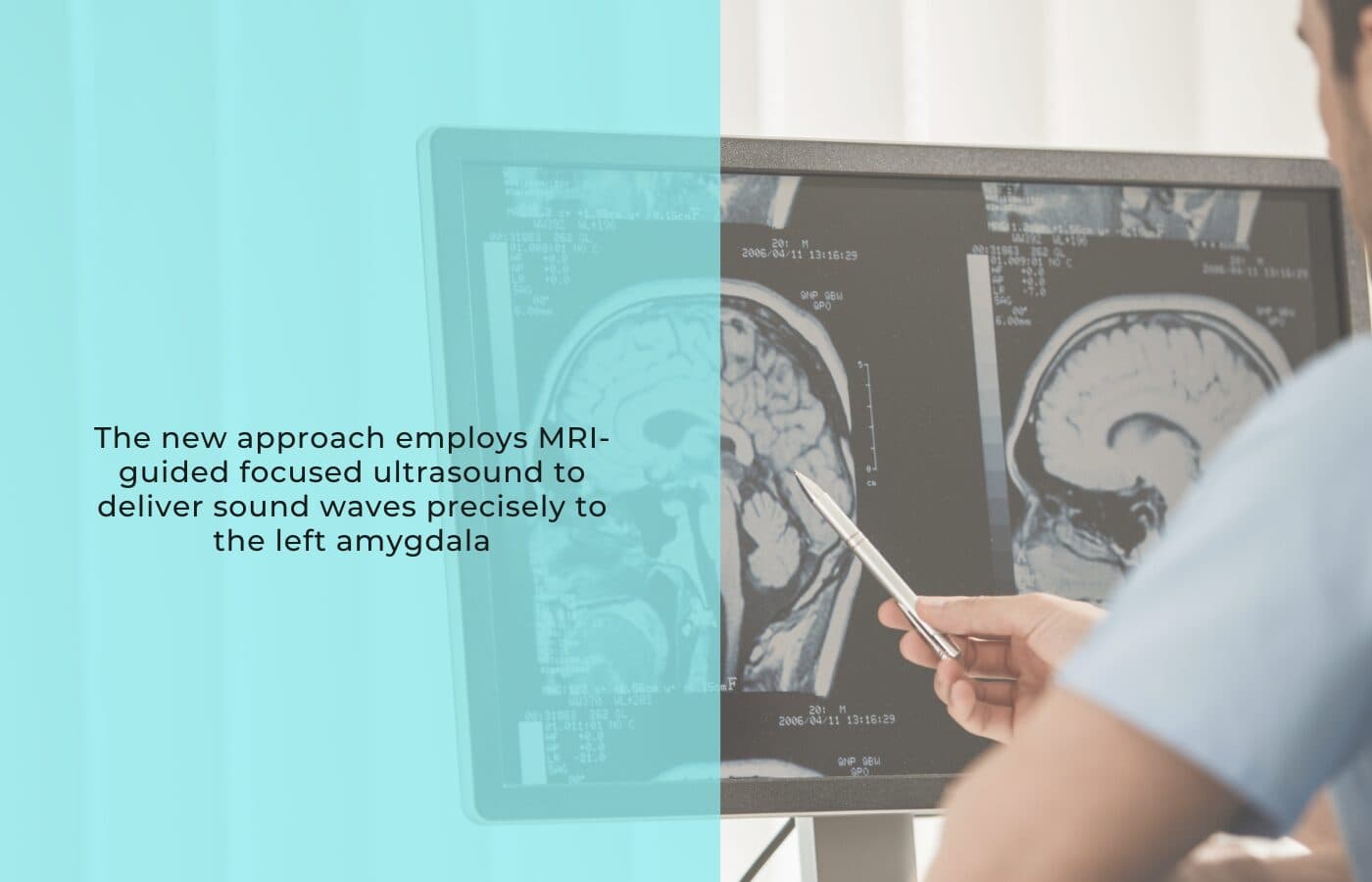
The new approach employs MRI-guided focused ultrasound to deliver sound waves precisely to the left amygdala. The amygdala is known to be hyperactive in people with mood and anxiety disorders, making it a prime target for intervention. Unlike traditional treatments, which often require invasive surgery or indirect brain stimulation, this technique directly influences deep brain activity from outside the skull.
Study findings: Rapid and significant symptom relief
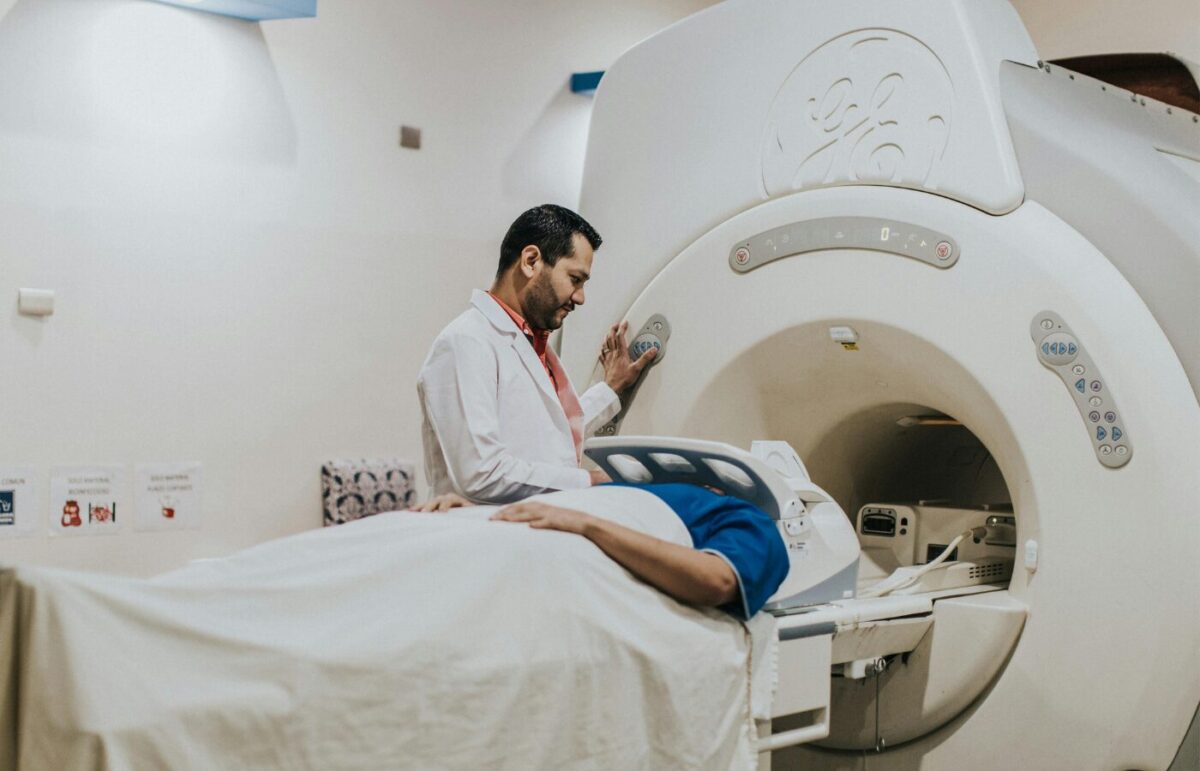
In a double-blind trial, 29 participants with various mood and anxiety disorders underwent daily sessions of the ultrasound treatment for three weeks. The results were striking:
- Immediate effects: Brain scans showed an immediate reduction in amygdala activity following treatment.
- Sustained improvement: After three weeks, patients reported clinically significant improvements in symptoms of depression, anxiety, and post-traumatic stress disorder (PTSD).
- Broad symptom relief: Improvements were noted across a range of negative emotional states, not just isolated symptoms.
Dr. Gregory Fonzo, the study’s senior author and an assistant professor at Dell Medical School, highlighted the novelty:

“This is the first time we’ve been able to directly modulate deep brain activity without invasive procedures or medications. For decades, the amygdala has been a target of interest, but access has required either brain surgery or indirect approaches through cortical stimulation. This technology opens a new frontier in psychiatric treatment, potentially offering relief to patients who haven’t responded to traditional therapies.”
Safety and tolerability
Importantly, the treatment was well tolerated. No serious adverse events were reported, suggesting a favorable safety profile as the research team prepares for larger clinical trials. This is a crucial advantage, as many current interventions for severe depression or anxiety, such as deep brain stimulation or certain medications, carry significant risks or side effects.
The expanding landscape of non-invasive brain therapies
This new focused ultrasound technique joins a growing array of non-invasive brain stimulation options, such as transcranial magnetic stimulation (TMS) and transcranial direct current stimulation (tDCS), which have shown efficacy in treating depression and anxiety without the need for surgery or drugs. These methods are gaining traction globally and in India, with clinics increasingly offering tailored, outpatient treatments that fit into patients’ daily lives.
Potential impact
If further trials confirm these results, focused ultrasound could become a game-changer for patients who have not benefited from conventional therapies. Its ability to precisely target deep brain structures without incisions or pharmaceuticals marks a significant leap forward in psychiatric care.
As research continues, this technology could pave the way for safer, more effective, and more accessible mental health treatments, offering new hope to millions affected by mood and anxiety disorders.