Back when I was in college, I remember debating the impact of shaming politicians.
My classmate was ‘for,’ and I was ‘against.’
His reasoning was that shaming would force them to change their behavior for the better.
I thought they needed nudging, not shaming. I mean, nobody likes being shamed.
As I was walking back to my room, I realized that I knew the feeling of shame but not what it is.
The same Wikipedia page I’d visited that day still marks the same word.
“Shame is an unpleasant self-conscious emotion often associated with negative self-evaluation; motivation to quit; and feelings of pain, exposure, distrust, powerlessness, and worthlessness.”
This got me thinking about the fear of shame and how it weaves into our lives.
Shame lurks around us, wearing different masks.
Body shaming, parental shaming, or the cruel world of cyberbullying – these invisible arrows pierce deep, affecting how we view ourselves and others.
For instance, at work, the fear of work shaming often silences voices and stifles creativity.
Imagine you’re in a team meeting at work, and you have an innovative idea to improve a project. But there’s that nagging fear.
“Will I be ridiculed or dismissed?” This fear of work shaming can weigh heavily on you.
It whispers, “What if they think it’s stupid?” or “What if they laugh at me?”
And guess what, your boss does it, and everyone has a good laugh. But not you.
You choose to stay silent. This is a true story.

Over time, this fear shapes a culture where ideas aren’t freely shared, and genuine progress becomes a struggle.
In the workplace, where the goal is to show up every day and perform, the fear of failure overshadows the potential for success.
What lies at the heart of this prevalent societal norm? Where does it get its energy from?
It’s to conform to social norms. Norms that are driven not by rationale or logic or even the fear of legal consequences but by the fear of negative judgement.
In the book ‘Think Like a Freak,’ authors Levitt and Dubner argue that the fear of shame can lead us to make irrational decisions in many other areas of our lives as well. Adding more fuel to the fire.
They add that we conform to social expectations, even if we don’t agree with them.
Today, shame takes new forms, matching steps with our dependency on technology.
Cancel culture is one of them, silencing those who shame others.
If that’s not circular reasoning, I don’t know what is.
But there are ways to break the cycle. It’s so easy that it feels impossible.
- Understand its nature: That’s what this article is about.
- Recognize the fear: It’s a normal human emotion. Everyone experiences it from time to time. ‘How’ do YOU experience it? ‘What’ situations take you there?
- Accept negative thoughts: Don’t challenge them. Fighting fire with fire doesn’t always work. Journaling is one way to recognize the ‘how’ and ‘what’ of negative thoughts.
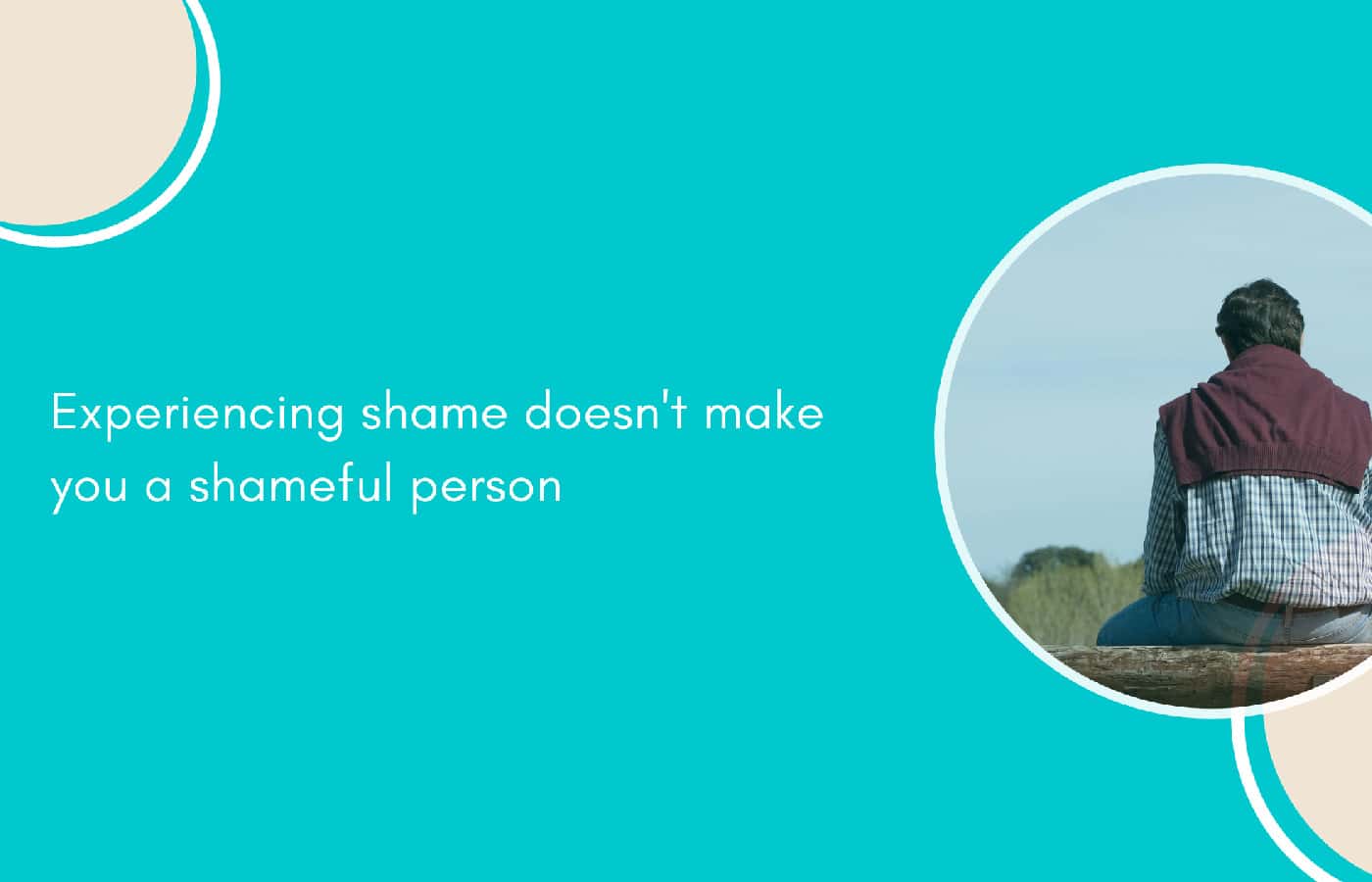
- Develop resilience: Understand that experiencing shame doesn’t make you a shameful person. Use it as an opportunity to grow and learn.
- Set boundaries, say no: Practice setting healthy boundaries and learn to say no when necessary. Avoid ‘trigger’ situations, especially at the workplace.
- Seek professional help: I admit, awareness was a difficult proposition for me to achieve. Consulting with a therapist is helping me normalize the peaks, so I realize its nature and work to develop resilience.
- Refraining from shaming behaviors: A point of self-awareness kicked in when I realized that victims, if you want to call us that, are contributors too. Not willingly, of course, but to feel those ‘mild-dopamine’ shots that we get from putting others down.
Awareness is my guiding light. Recognizing the fear of shame is my first step. My journey involves therapy, a dash of meds, and a hearty dose of self-acceptance.
The fear of shame is a powerful force that weaves through our lives. Don’t let its negative effects enslave you.
“Shame is the one emotion that keeps us from sharing our deepest, truest selves.” – Brené Brown
References
Book: ‘Think Like a Freak’ by Steven D. Levitt and Stephen J. Dubner
Book: ‘The Gifts of Imperfection’ by Brené Brown