MyndStories Logo
STORIES
PODCASTS
SPACES
THERAPY
BOOKS
SHOP
OUR ANTHOLOGY
ABOUT US
CORPORATES

Explore MyndStories

StoriesPodcastsSpacesTherapyBooksOur AnthologyShop
MyndStoriesStartup India
  • Privacy Policy
  • Advertising policy
  • Guest Post Policy
  • Cancelation and Refund Policy
  • Terms & Conditions
  • Become a facilitator
  • Become a reviewer
  • Become a therapist
  • Ambassador Program
  • Write for us
  • Submission guidelines
  • Corporate Mental Health
  • Authors
  • FAQs
  • Contact Us
  • Chat with Luna
content@myndstories.com

The MyndStories website, content, and products provide information on general health, mental health, and related subjects for educational purposes only. The information here should not be considered as or substituted for professional medical advice, diagnosis, or treatment.

For emergencies, please call

KIRAN - India's first 24/7 national toll-free mental health helpline - 1800-599-0019

©2025 All rights reserved by MyndStories (Metta Media Pvt Ltd)

  1. Home
  2. /Book Review
  3. /Poor Deer by Claire Oshetsky – Living with the shadows of guilt and shame
Book Review

Poor Deer by Claire Oshetsky – Living with the shadows of guilt and shame

December 16, 2024

Poor Deer by Claire Oshetsky - Living with the shadows of guilt and shame
Written by Team MyndStories

“Guilt is always hungry; don’t let it consume you.” 

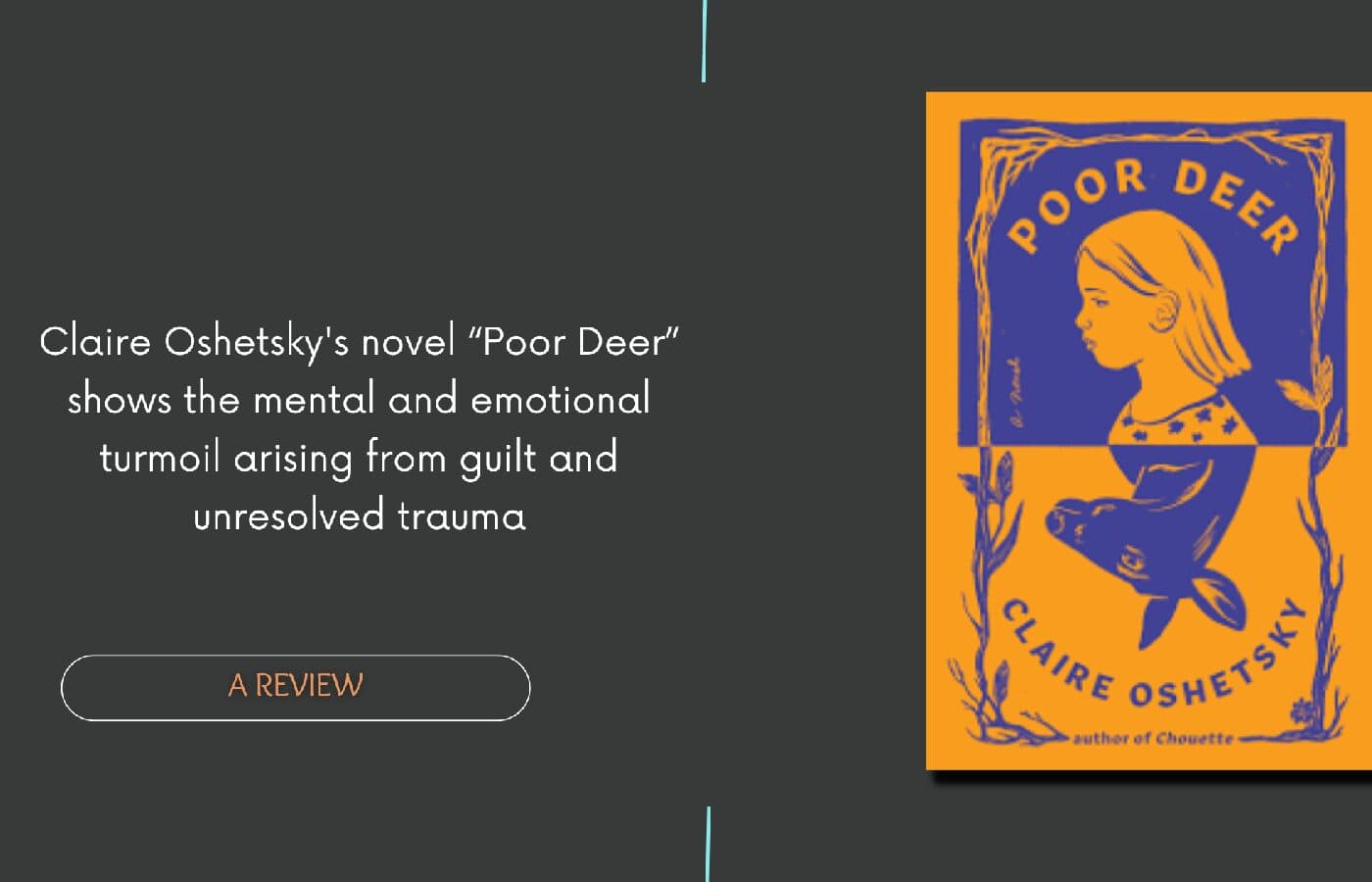
This anonymous quote perfectly sums up the essence of Claire Oshetsky’s novel “Poor Deer.” Through Margaret, its 16-year-old narrator’s diary-like recollections, the book unravels her mental and emotional turmoil stemming from a tragic event that occurred when she was just four years old—a game of hide-and-seek that ended with the death of her best friend, Agnes.

From that day, Margaret’s life is indelibly marked by guilt, a shadow cast both by others’ blame and her internalized shame. People whisper cruel accusations, but it is the enigmatic and oppressive presence of “Poor Deer” that becomes her constant companion. A manifestation of guilt and self-doubt, Poor Deer whispers reproaches that Margaret cannot ignore. At once a tormentor and a reflection of her inner anguish, this haunting figure embodies the corrosive effects of unresolved trauma and self-blame.

Oshetsky’s portrayal of guilt is visceral and poignant. Margaret describes her struggle with truth and memory. 

“I’ve been telling made-up stories for so long that the unadorned truth feels ugly and ungrammatical.” 

This blend of reality and imagination, grief and guilt, blurs Margaret’s sense of self. Her storytelling, a survival mechanism, helps her make sense of a world that no longer feels safe. But it also keeps her tethered to her pain, unable to move forward.

The novel’s narrative alternates between past and present, tracing Margaret’s attempt to confront the events of that fateful day while navigating the fallout in her relationships. Her mother, Florence, wrestles with her own grief, her love for Margaret eroded by years of resentment and emotional distance. Meanwhile, Agnes’s mother is a poignant figure of loss, her sorrow a mirror to Margaret’s guilt.

Claire Oshetsky
Image Credit: Goodreads

What makes Poor Deer particularly compelling is its lyrical and sometimes whimsical prose. Oshetsky balances the darkness of the subject matter with moments of tenderness and introspection. Margaret’s neurodivergent traits and vivid imagination add depth to her character, portraying how trauma shapes perception and reality.

“Poor Deer” may center on Margaret’s guilt but in highlighting the struggle that others around her are going through, it is also equally about the possibility of reconciliation and forgiveness. Their journeys are poignant reminders of the resilience of the human spirit and the importance of compassion—toward oneself and others.

Guilt and trauma can disrupt our mental health and relationships, but they can also become a pathway to growth and healing.


Help support mental health

Every mind matters. Every donation makes a difference. Together, we can break down stigmas and create a more compassionate world.

Disclaimer: MyndStories is not a non-profit. We are a private limited company registered as Metta Media Pvt Ltd. We don't fall under Section 80G and hence you don't get a tax exemption for your contribution.

book reviewbooks on mental healthchildhood traumaguilt

Recent Posts

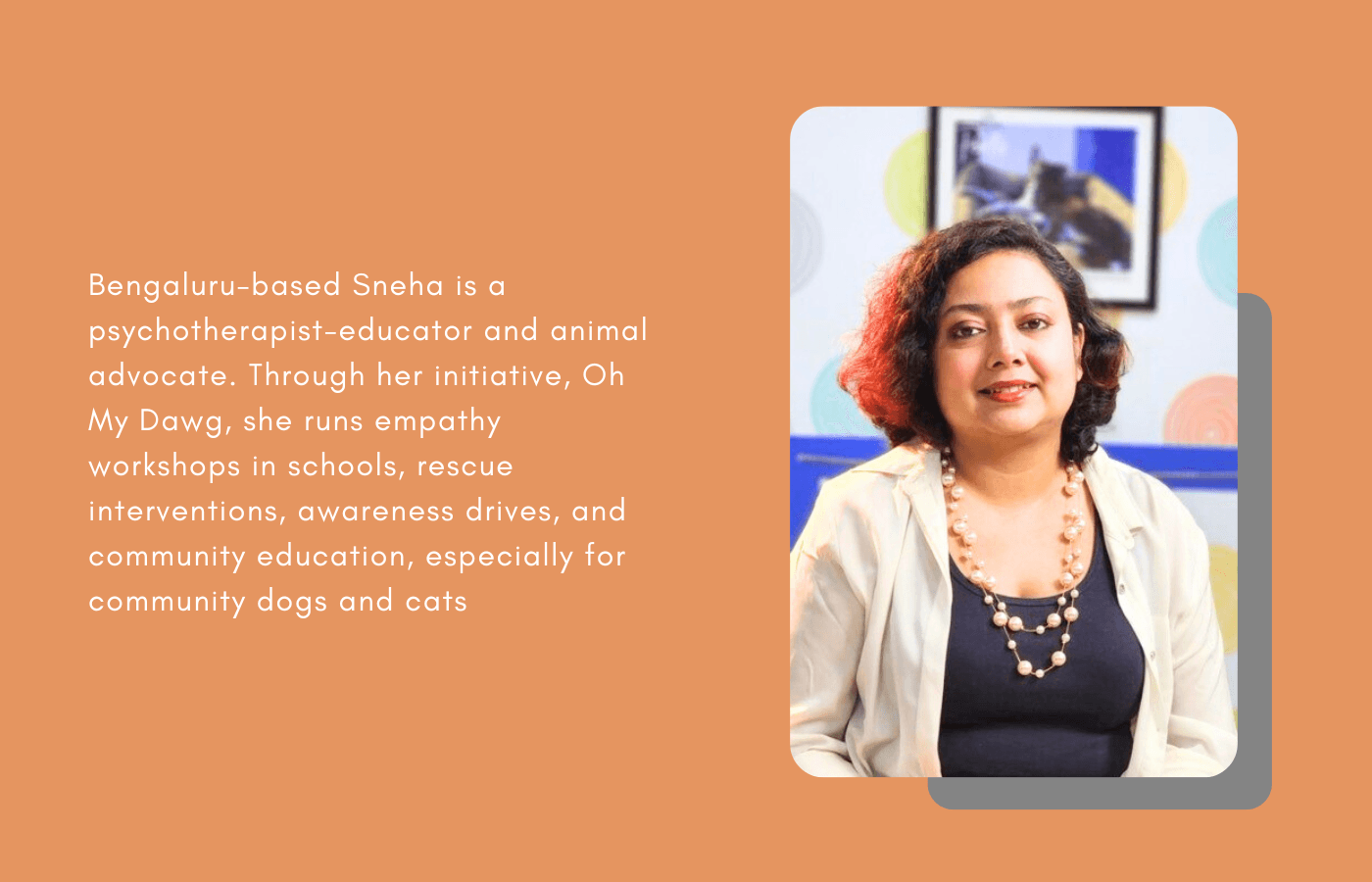
  • When tails teach: How Sneha Paulchoudhury blends therapy, compassion, and community in animal welfare
    When tails teach: How Sneha Paulchoudhury blends therapy, compassion, and community in animal welfare

    by Seema Lal

  • Supreme Court bars stem cell therapy for autism
    Supreme Court bars stem cell therapy for autism

    by Team MyndStories

  • Budget 2026 prioritizes mental health: India to establish NIMHANS 2.0 in North India
    Budget 2026 prioritizes mental health: India to establish NIMHANS 2.0 in North India

    by Team MyndStories

  • Maharashtra launches student stress relief guidelines
    Maharashtra launches student stress relief guidelines

    by Team MyndStories

  • Your best anxiety reads from 2025
    Your best anxiety reads from 2025

    by Team MyndStories

We're on Instagram

MyndStories

@wearemyndstories

MyndStories

Today is Enid Blyton's birthdaySay hi to Itsy!
What does grief sound like?Swipe. Match. Chat. Ghost.Ever feel like your brain is on turbo
Have you ever caught yourself repeating the same patterns

Editor's Picks

  • Shilpa Kulkarni: A story of loss and resilience
    Shilpa Kulkarni: A story of loss and resilience

    by Team MyndStories

  • How to set healthy boundaries with your family
    How to set healthy boundaries with your family

    by Megha Kadam

Related Articles

When tails teach: How Sneha Paulchoudhury blends therapy, compassion, and community in animal welfare
Features, Grief, Mental Health

When tails teach: How Sneha Paulchoudhury blends therapy, compassion, and community in animal welfare

Seema Lal
Your best anxiety reads from 2025
Anxiety, Features

Your best anxiety reads from 2025

Team MyndStories
Anima Nair: Becoming, unbecoming, and becoming again
Autism, Features, Interview, Neurodiversity

Anima Nair: Becoming, unbecoming, and becoming again

Seema Lal