


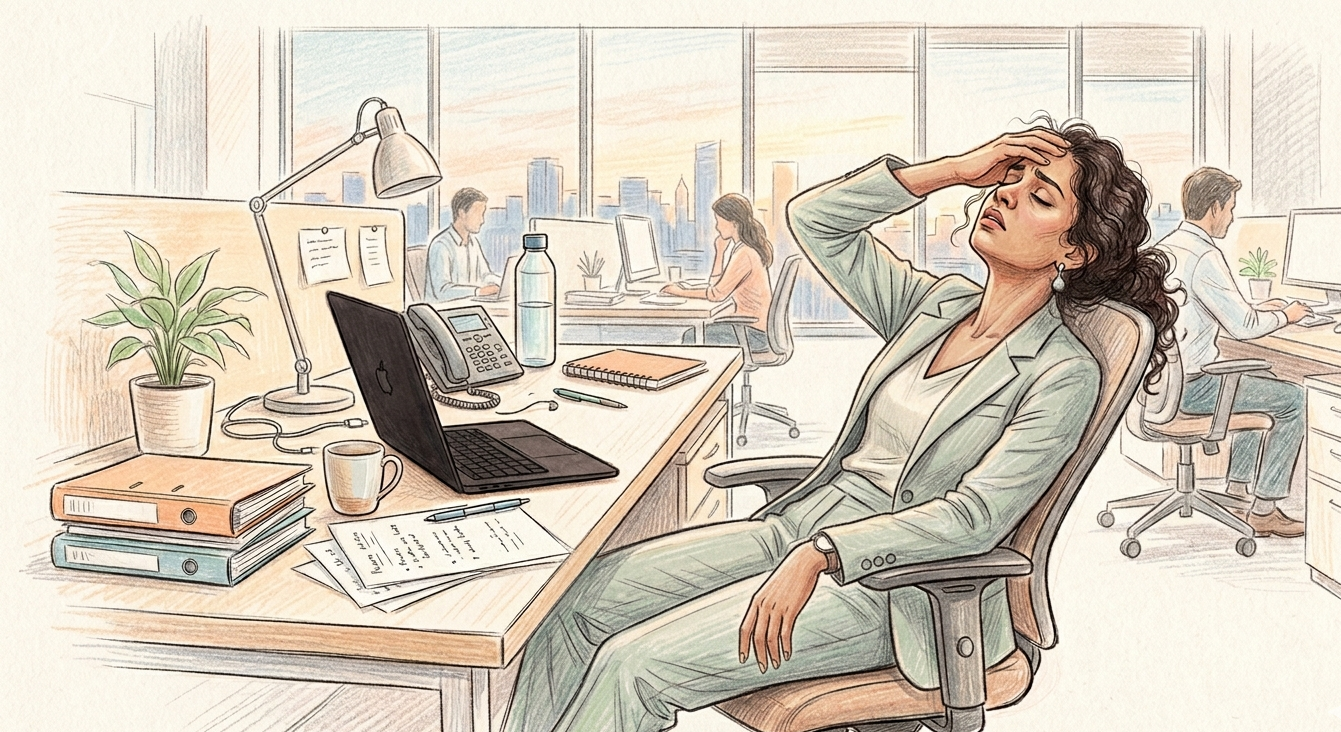
A new 2026 workplace mental health snapshot from StrongYes paints a sobering picture of Indian offices: strain has become routine, recovery is treated as an interruption rather than a necessity, and fatigue now hides behind functional performance. People are showing up, hitting deadlines, and keeping their cameras on. They are also running on empty.
The report highlights a cultural mismatch at the heart of Indian workplace life. Professionalism is often equated with composure, and any visible sign of emotional strain risks being read as instability. The result is that employees internalize pressure rather than naming it. Conversations about mental health have grown louder over the last five years, but the lived experience on the ground has not shifted in step. Surface-level stability masks a slower, more corrosive form of burnout.
The Wellbeing at Work Asia Summit 2026, scheduled for 30 April in Bengaluru, will bring together HR leaders, clinicians, and policymakers to examine what practical interventions actually move the needle. Expect discussion on flexible work design, manager training, and the limits of EAP programs that look good on paper but go unused in practice.
Why this matters for MyndStories readers
Many of you work in companies that have wellness programs, Slack channels on self-care, and mindfulness app subscriptions. The harder question is whether your workplace lets you actually rest. Policy without permission changes very little.


